Termite Guide
Swarmers or Flying Ants? Telling Them Apart in SC
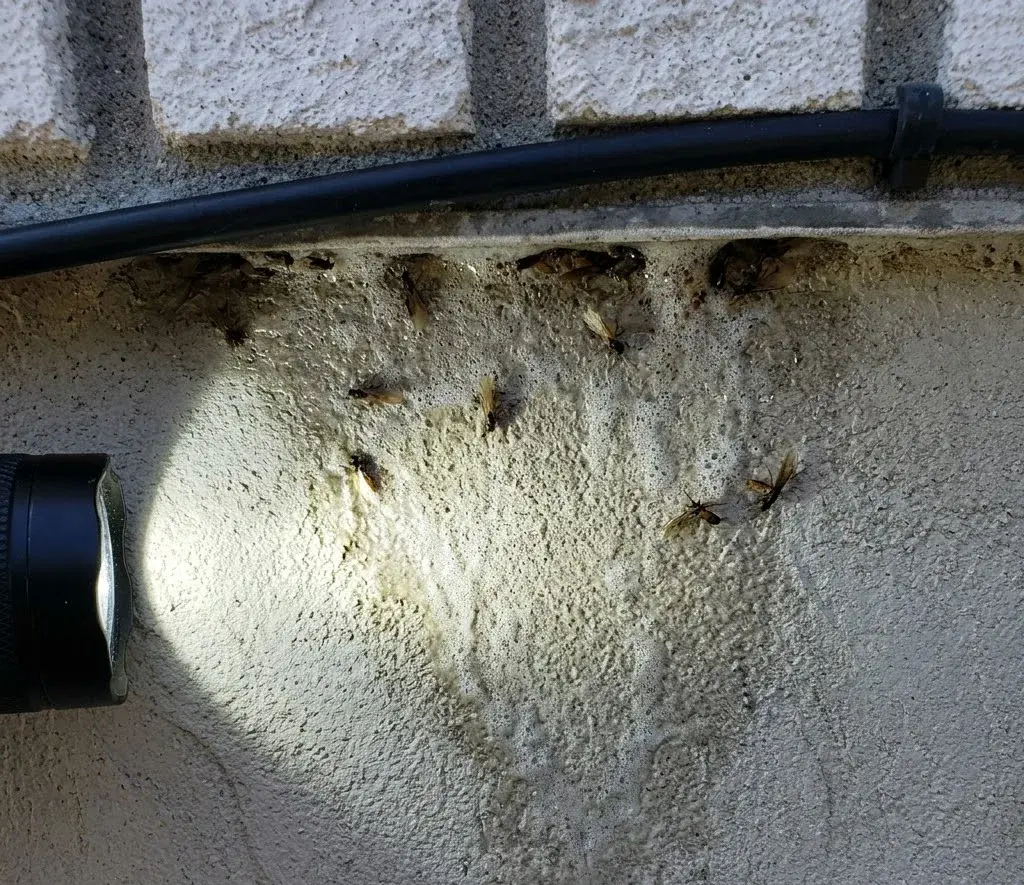
Both swarm in spring here and only one of them is eating your house. Three tells settle it, and the wings on…
Read article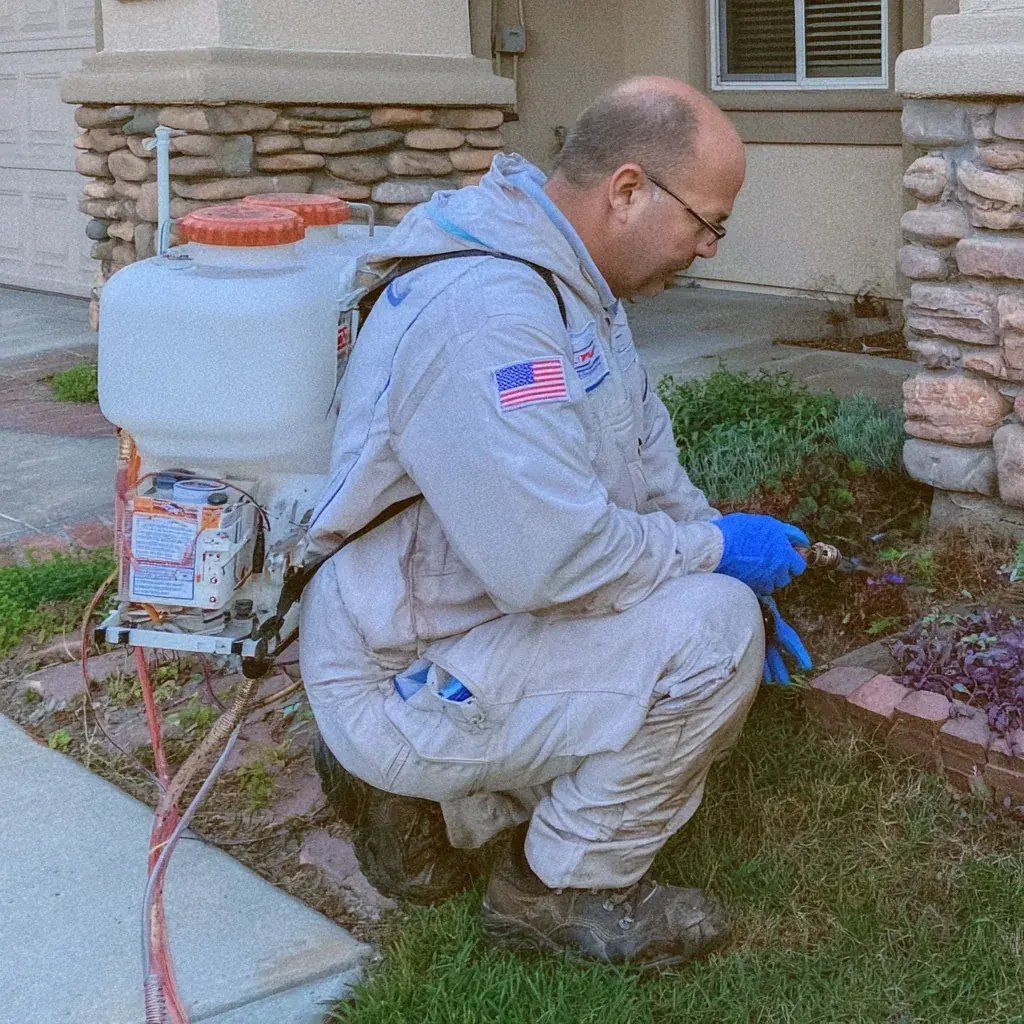
Stop the trail at the nest, not the counter: ant control that traces the colony and fixes the moisture feeding it.
Ants in a Conway kitchen are rarely a kitchen problem. The trail along the counter, the line across the patio and the dark ants working through a window frame almost always lead back to a nest outside, in damp soil under a paver, beside an irrigation line or inside a piece of wet wood. Which ant it is decides everything that follows, because Argentine ants, carpenter ants and the small sweet-seeking trailing ants each respond to different treatment, and the wrong one makes the problem worse.
Ant control here means identifying the species, following the trail to the colony, treating wherever ants enter the building from the ground and fixing the moisture that keeps the nest alive. The licensed pros we connect you with explain the plan in writing: what was found, what will be treated, how many visits it includes and what the owner can change. Mounds in the lawn belong to a different yard job, and winged insects in spring should be checked against termite swarmers before anyone sprays.
Whether you're in Socastee, Surfside Beach, North Myrtle Beach, or elsewhere around Conway, ant control here has to account for humidity under the floor and a season that never fully closes. That is why the argentine ants work holds up longer than a straight interior spray.
Most of this lands on private houses, and residential pest control walks through what a visit involves. Short-term rentals, shops and tenanted buildings sit under commercial pest control.
Wiping the counter and seeing the same line the next morning means the colony is established and the trail is chemically marked. The trail leads somewhere, and following it back at the right hour usually shows where the ants cross from the yard into the house.
Ants come indoors for water as much as for food, so activity near plumbing points to a moist route through the wall or the crawl space. Sightings at a bathroom sink in a dry spell are a strong sign that water is the draw.
Large black ants after dark and a small pile of coarse debris under a window, door frame or deck ledger point to carpenter ants working in damp wood. Sawdust mixed with mud is a different insect and a different job.
A cloud of winged insects needs a quick look at the waist, wings and antennae before anyone decides they are ants. Keep a few in a bag, because the answer changes whether the next call is ant control or a termite inspection.
The first visit confirms the species, follows trails back at the right hour of the day and marks where they cross from soil to structure, since the species decides the method.
Bait that foragers carry home goes on the established trails, and a non-repellent treatment goes at the crossing points, so ants spread it through the colony instead of scattering.
Sprinkler heads aimed at siding, downspouts that empty beside the foundation, wet mulch and gaps around pipes are corrected or sealed, because that is where the nest lives.
A return visit checks that trails are shrinking and that no satellite nests budded elsewhere, and recurring protection keeps pressure from neighboring yards in check.
Ants are rarely dangerous the way termites are, but the wrong response is costly. Repellent sprays split Argentine colonies into several, carpenter ants can hollow wet framing quietly for years, and an ant trail across a kitchen counter is a food hygiene problem in its own right. Treating the colony and the moisture, rather than the line, is what ends the cycle of cleaning, spraying and seeing them again a week later.
An ant plan should follow identification of the species and the trail, not a standard spray round. The licensed pros we connect you with record where the ants were found and why the chosen method fits.
The company accepting the job should state the areas to be treated, the products and the follow-up schedule in writing, along with what happens if activity continues after the stated period.
This is the range ant control tends to sit in locally. How far it has spread, and how easy the substructure is to get into, decide the rest.
| Level | Work involved | Guide range |
|---|---|---|
| Light | One place, found early enough to stay one place | an estimated $75–$240 |
| Usual | Full home visit with the perimeter and crawl space vents covered | an estimated $90–$345 |
| Heavier | A bigger footprint, an addition, or pressure in more than one place | an estimated $135–$550 |
| Well established | Left long enough that it takes repeat visits plus exclusion work | an estimated $215–$915 |
Sealing and debris removal carry their own line, because pretending otherwise is how a quote grows later. The pricing guide covers all of it, including where insurance does and does not step in.
Ant pest control in Conway starts at the kitchen door and ends at the nest. In slab homes the usual route is a hairline crack or a foam gap at the foundation, in older brick homes near downtown it is an expansion joint or an irrigation line that carries moisture to the wall, and in crawl-space houses it is the vent screens and pipe penetrations. Trails seen on a patio or around a water spigot often vanish and reappear a few feet away after a spray, which is the colony adjusting around the treated spot rather than leaving.
A visit looks at both sides of the wall: the counters, sinks and dishwasher inside, and the mulch, downspouts, sprinkler heads and slab edge outside. The plan then names the nest or nests found, the bait and treatment chosen and when the return check is due, so the owner knows whether the next sighting is a leftover or a new colony. Mounds in the lawn belong to the fire ant treatment page, and the pest pages for Argentine ants and carpenter ants cover those two in detail.
An ant exterminator and a bag of ant bait from the hardware store can look like the same answer, but the difference is what happens to the colony. A spray kills the workers it touches and leaves the nest alone, while slow bait is carried home and shared with the colony, queens included, and that sharing is the only dependable way to cut numbers when there are many queens. The visit combines both where it helps: bait on the trail, a non-repellent treatment at the points ants cross, and a plan to remove whatever is feeding the nest.
Store-bought bait does its job when it stays where the ants are walking and is not cleaned up the next morning. It stops working when a general ant spray is used around the whole house, because the spray repels foragers, splits the colony and turns one trail into several. Anyone unsure which ant it is can start with the flying ants or termite swarmers guide and then book an inspection that names the species.
Because the spray reaches the ants you can see and not the colony. With Argentine ants a repellent spray can make matters worse, since the colony splits into several nests around the treated zone. Slow bait that workers carry home, treatment at the crossing points and a fix for the moisture are what produce a lasting result.
Size and location give it away first. Carpenter ants are big, black and active after dark, and the debris they push out of damp wood is coarse sawdust mixed with insect fragments. The small trailing ants that follow a counter edge are a different species, and the plan differs for each of them.
Baits go where animals and small children cannot reach them, such as behind furniture along baseboards, inside voids and on outdoor trails. The licensed pros we connect you with explain where each product is placed and when treated areas can be used again.
No, though winged ants and winged termites can look alike at a glance. A termite is straight-bodied with four equal wings, while an ant is pinched at the waist and has a longer front pair. If they appeared indoors in spring, save a few and have the house inspected, because swarmers inside point to a colony that has already settled in the structure.
Trails usually thin within a week or two once bait is carried back to the colony, but a large Argentine colony can span several yards and needs repeat visits. Carpenter ants take longer when the nest is in wet wood, since the moisture has to be corrected as well as the insects treated.
No. Ant control covers ants in and around the house, such as trailing ants, carpenter ants and swarmers. Mounds out in the lawn are treated yard-wide with bait plus mound treatment, and that method has its own page.
Leave the trails alone so the pro can follow them, pick up any bait or traps you set out, and note where and when you see ants. Fixing a dripping faucet, redirecting a sprinkler head and clearing mulch from the siding all reduce the nest's water supply.
Not usually. The work is aimed at the trail, the nest and the points where ants enter, not at the whole lawn. A colony that spans neighboring properties can still send ants back, which is why follow-up matters more than the size of the area treated.
Guide figure, not a quote: ant control around Conway usually works out at an estimated $89–$229 per treatment. Heated square footage, crawl space clearance and how much of the structure is already involved decide where you land. The inspection is free, the number is written down before a tank is opened, and we hold our ranges a shade under the going rate along the Grand Strand.
Written up in more detail, for anyone who wants the whole picture before booking.
Both swarm in spring here and only one of them is eating your house. Three tells settle it, and the wings on…
Read article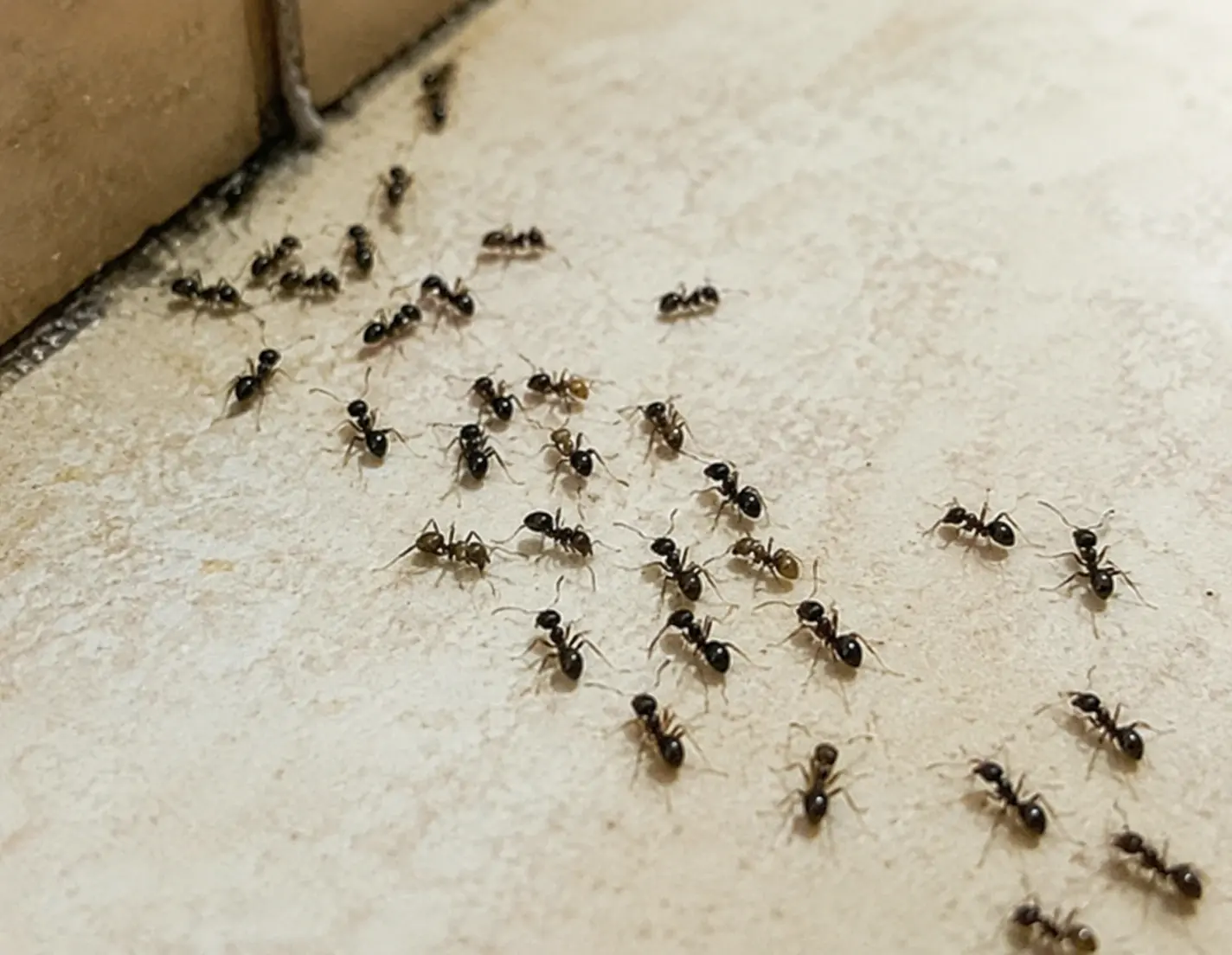
From palmetto bugs to fire ants and subterranean termites, here are the ten pests Conway homeowners deal with most, and what each…
Read article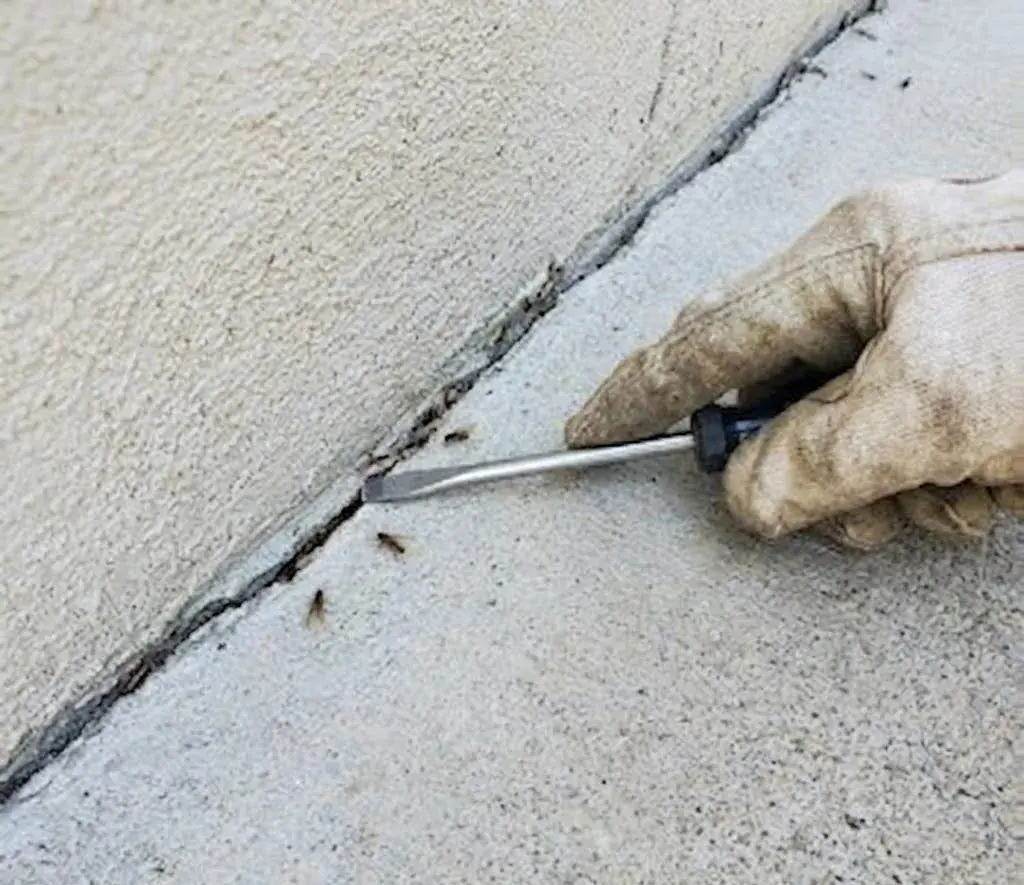
South Carolina sits in one of the most termite-active zones in the country. If you own a home in the Conway area…
Read articleSame day where we can, and an honest arrival window when you book. We cover Conway and out across Horry County.
Call (843) 896-1048