Local Pest Guide
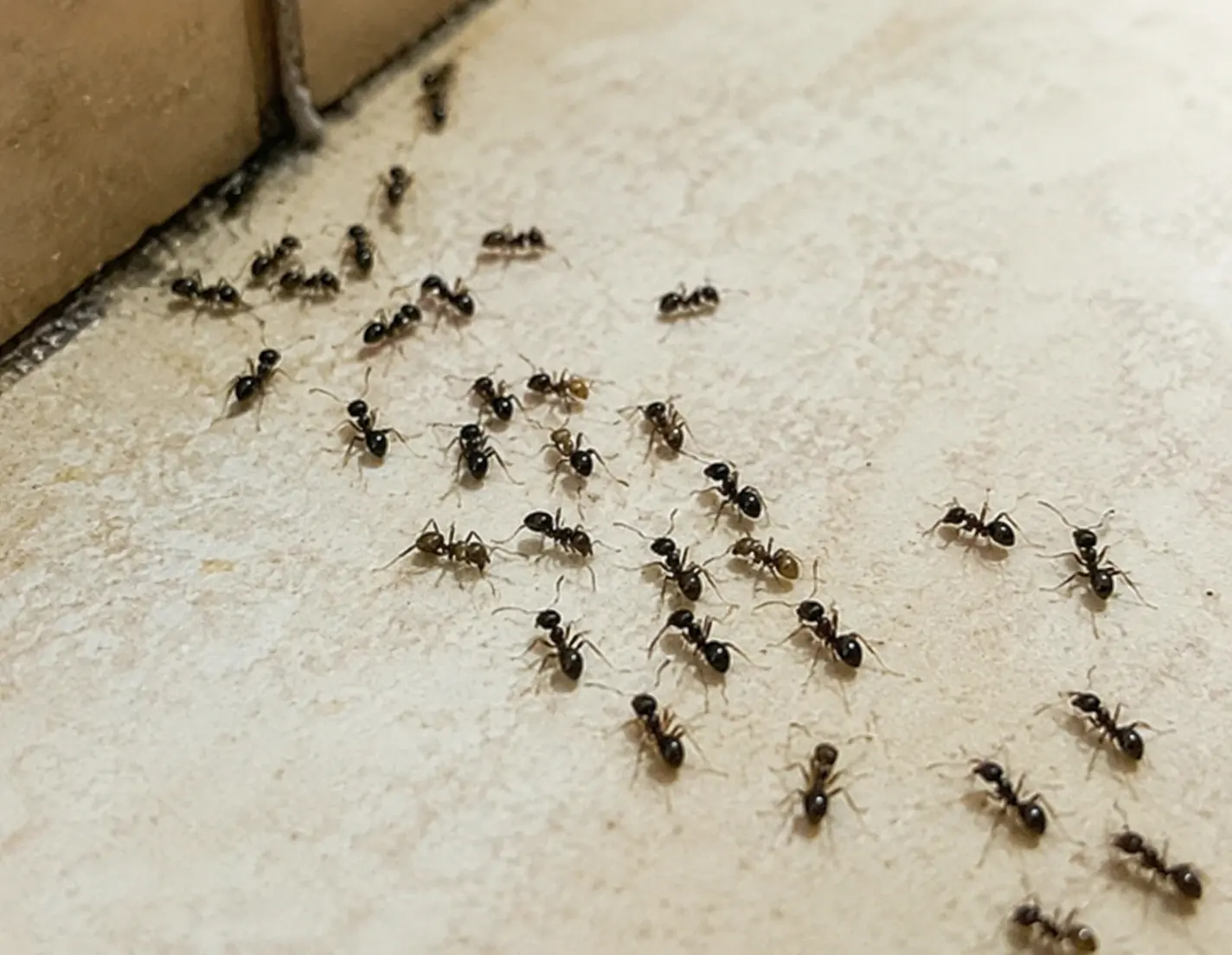
10 Common Household Pests Found in Conway, SC
From palmetto bugs to fire ants and subterranean termites, here are the ten pests Conway homeowners deal with most, and what each…
Read article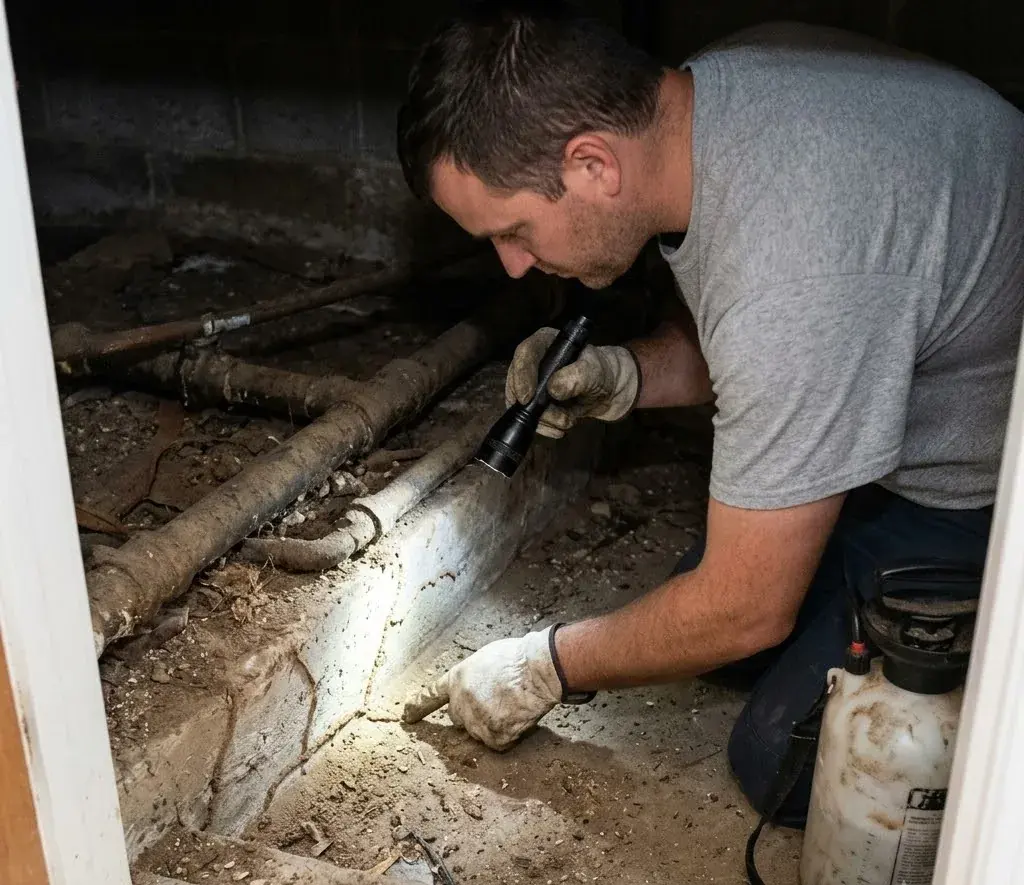
Dry out the crawl space that's feeding your pest problem, encapsulation and moisture control that pays off above the floor too.
In the coastal Lowcountry, the crawl space is where a huge share of home pest problems actually start. Conway's high water table, humid air, and frequent rain leave crawl spaces damp, and damp wood and standing humidity are exactly what termites, palmetto bugs, camel crickets, and rodents are looking for. A moisture problem under the house shows up as pest activity, musty odors, and even sagging floors above it.
Crawl space and moisture control tackles the root cause. Depending on what your home needs, that can mean a vapor barrier or full encapsulation, correcting drainage and standing water, adding a dehumidifier, and treating the pests already established below. Drying out and sealing the crawl space doesn't just reduce pests, it protects your subfloor and framing and often improves comfort and air quality in the living space above.
Whether you're in Georgetown, Litchfield Beach, Atlantic Beach, or elsewhere around Conway, crawl space & moisture control here has to account for humidity under the floor and a season that never fully closes. That is why the subterranean termites work holds up longer than a straight interior spray.
Most of this lands on private houses, and residential pest control walks through what a visit involves. Short-term rentals, shops and tenanted buildings sit under commercial pest control.
A musty smell rising into the living space, or persistent indoor humidity, often traces back to a damp crawl space venting moisture, and pests, upward.
Soft or bouncy floors can signal moisture damage or wood-decay conditions in the subfloor below, frequently paired with termite or fungus activity.
Pooled water, wet soil, or sagging, damp insulation in the crawl space is an open invitation to termites, roaches, and rodents and needs correcting at the source.
We evaluate moisture levels, drainage, vapor barriers, insulation, and any active pest or wood-decay conditions below the home.
We address the source, drainage and standing water, vapor barrier or encapsulation, and dehumidification where needed, to dry the space out.
We treat the pests already established below, from termites to crawl-space roaches and crickets, alongside the moisture work.
Encapsulation and sealing keep humidity and pests out long-term, protecting the subfloor and the living space above.
Along the coast, a wet crawl space is the engine behind termites, palmetto bugs, and wood decay, treating the bugs without fixing the moisture just resets the clock. Drying and sealing the crawl space removes the conditions the whole pest problem depends on, and protects the structure at the same time.
Consistent with integrated pest management, we correct the moisture conditions driving pests rather than relying on repeat spraying, using EPA-registered products where treatment is warranted.
Crawl space work is done with South Carolina's wood-destroying organism standards in mind, since crawl-space moisture is a leading factor in the termite and wood-decay findings noted on CL-100 reports.
This is the range crawl space & moisture control tends to sit in locally. How far it has spread, and how easy the substructure is to get into, decide the rest.
| Level | Work involved | Guide range |
|---|---|---|
| Light | One place, found early enough to stay one place | an estimated $235–$895 |
| Usual | Full home visit with the perimeter and crawl space vents covered | an estimated $280–$1275 |
| Heavier | A bigger footprint, an addition, or pressure in more than one place | an estimated $420–$2040 |
| Well established | Left long enough that it takes repeat visits plus exclusion work | an estimated $670–$3400 |
Dealt with early this stays near the bottom of the band; left through a warm wet summer it does not. The pricing guide shows by how much, and where damage cover stands.
Encapsulation seals the crawl space with a heavy-duty vapor barrier across the floor and walls, often with a dehumidifier, to keep ground moisture and humid outdoor air out. It creates a dry, sealed space that pests and wood decay can't thrive in.
Damp wood and high humidity attract and sustain termites, cockroaches, camel crickets, and rodents, and support wood-decay fungus. In our climate the crawl space is usually the wettest part of the home, so it's where a lot of pest problems begin.
It depends on your crawl space. Some homes need only drainage correction and a vapor barrier; others with heavy moisture do best with full encapsulation and a dehumidifier. We assess and recommend what your specific situation actually needs.
Yes. A dry, sealed crawl space protects your subfloor and framing, can reduce musty odors and indoor humidity, and often improves comfort and air quality in the rooms above, on top of removing the conditions pests depend on.
It removes a major factor, moisture, that draws and sustains subterranean termites, and makes activity easier to spot. It's a strong complement to termite treatment and a bond, though it doesn't replace an active termite barrier.
It ranges widely with the size and condition of the space, but crawl space and moisture work in Conway typically runs an estimated $279 to $850 for treatment and barrier work, with full encapsulation quoted after inspection.
Crawl space & moisture control sits at an estimated $279–$850 per treatment for a typical Conway property. That is a guide, not a binding price. A technician looks at the structure, the crawl space and the ground around it, then writes the figure down for you to sign off. Our pricing is deliberately set a little below the local average.
Written up in more detail, for anyone who wants the whole picture before booking.
From palmetto bugs to fire ants and subterranean termites, here are the ten pests Conway homeowners deal with most, and what each…
Read article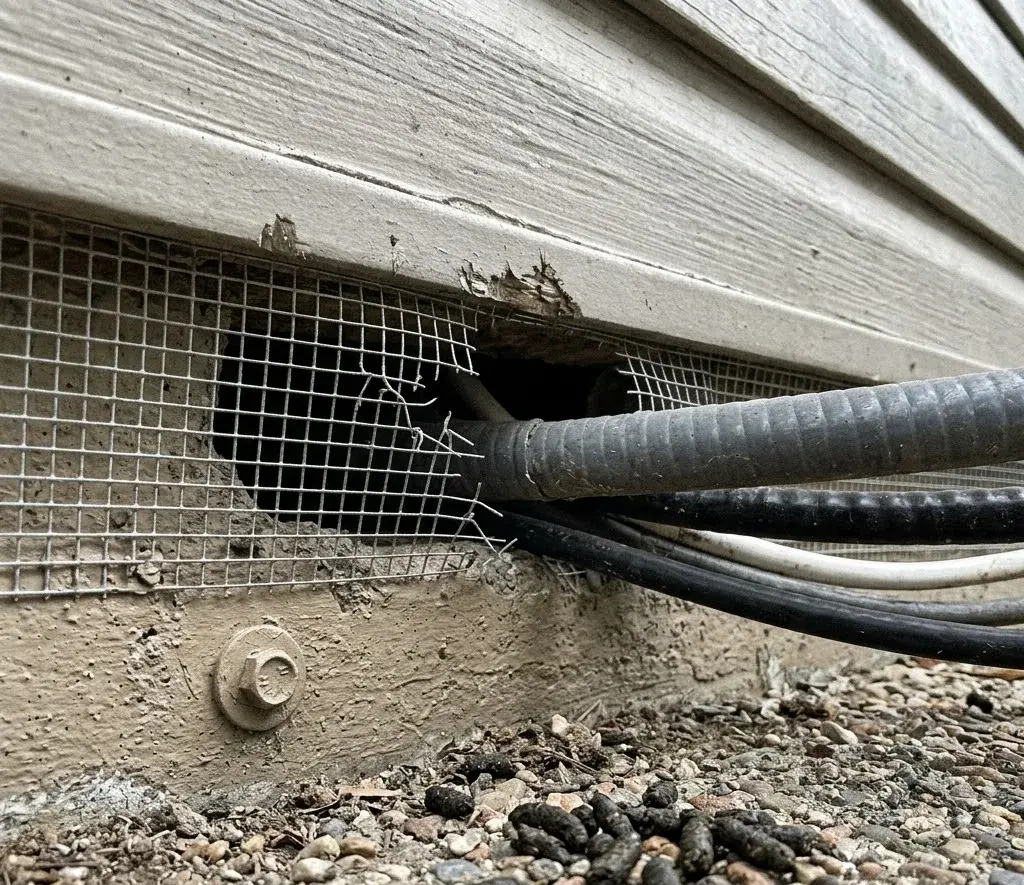
The crawl space is where most rodent problems in Conway homes begin. Here's how to seal it up and keep rats and…
Read article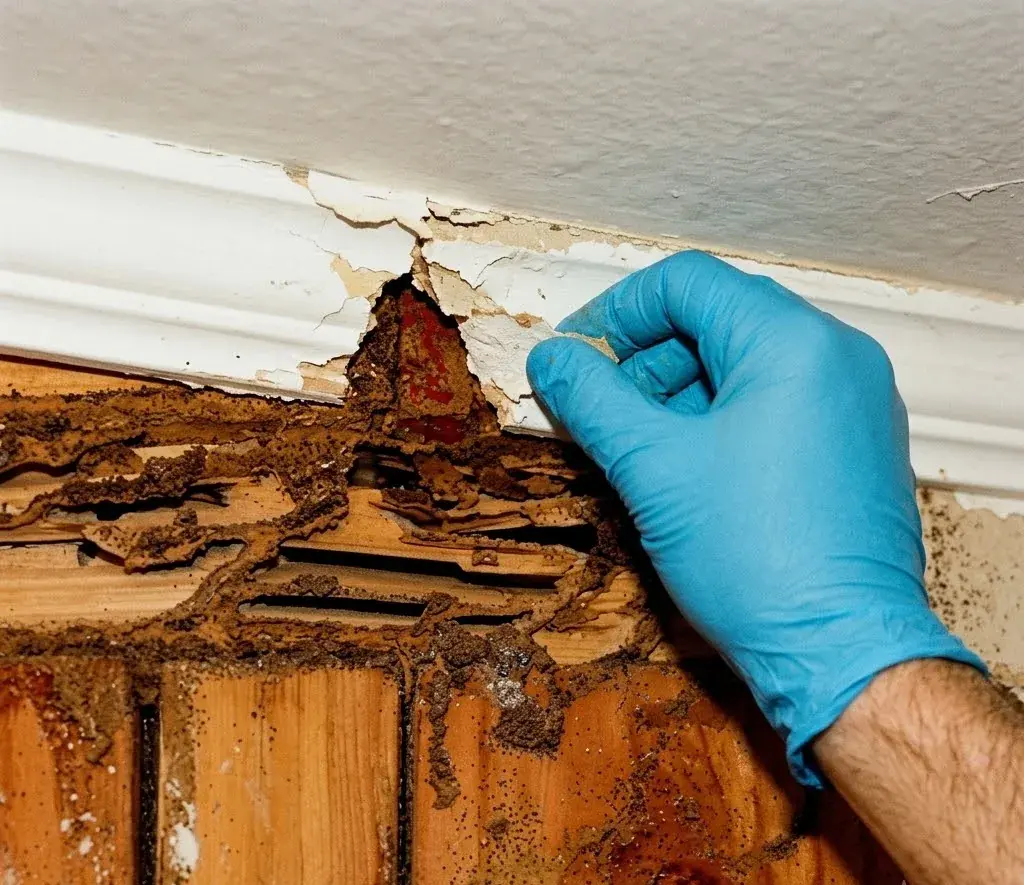
Subterranean termites don't just survive in coastal SC, they flourish. Here's the specific combination of conditions that makes the Lowcountry termite heaven.
Read articleCall and you get a licensed local pro, an inspection at no cost, and a written scope before anything happens. No pressure either way.
Call (843) 896-1048