Termite Guide
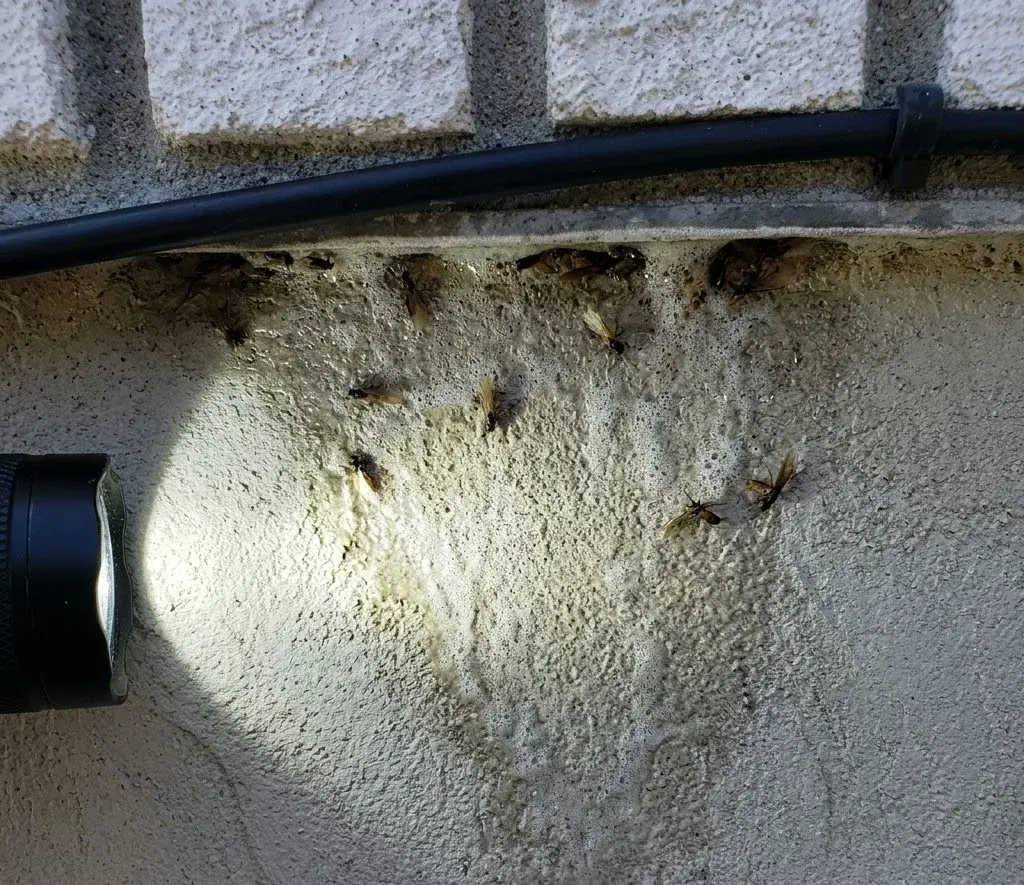
Swarmers or Flying Ants? Telling Them Apart in SC
Both swarm in spring here and only one of them is eating your house. Three tells settle it, and the wings on…
Read article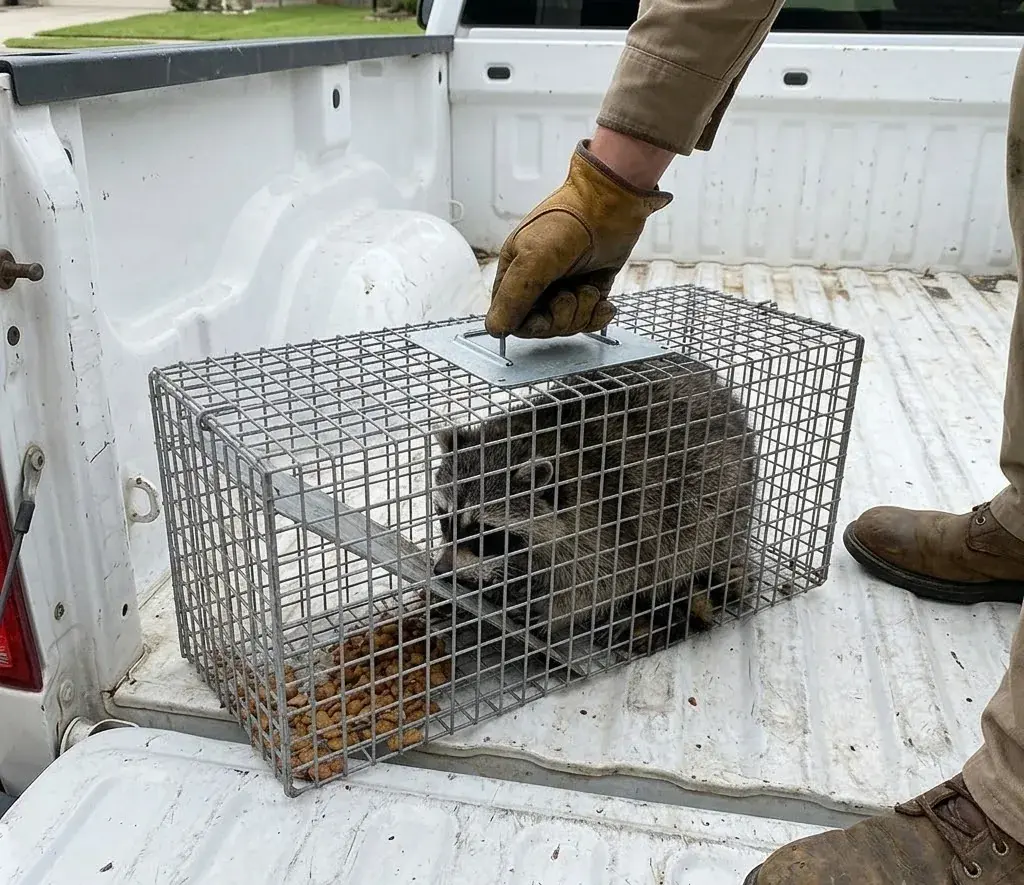
Humane removal of raccoons, squirrels, armadillos, and snakes, plus sealing so they don't come back.
Conway's wooded lots, wetlands, and riverfront put homes right up against wildlife, and sooner or later that wildlife finds a way onto the property or into the structure. Raccoons and squirrels push into attics and under decks, armadillos, thriving across the Lowcountry, dig up lawns and burrow against foundations, opossums shelter under porches, and snakes turn up in garages, crawl spaces, and landscaping. Most are just looking for food or shelter, but inside your home they cause damage, mess, and real safety concerns.
We handle nuisance wildlife the right way: humane removal, then exclusion so the animal, and the next one, can't get back in. That means identifying how they got in, removing them safely, sealing the entry points (roofline gaps, deck skirting, burrow openings), and cleaning up after. For protected species we work within South Carolina wildlife regulations, so the job is done both effectively and legally.
Whether you're in Little River, Aynor, Loris, or elsewhere around Conway, wildlife removal here has to account for humidity under the floor and a season that never fully closes. That is why the raccoons work holds up longer than a straight interior spray.
Most of this lands on private houses, and residential pest control walks through what a visit involves. Short-term rentals, shops and tenanted buildings sit under commercial pest control.
Heavy scratching, thumping, or scurrying overhead often means raccoons or squirrels have moved into the attic; rustling under a deck or porch points to something denning below.
Armadillos leave shallow diggings and cone-shaped holes across the yard and burrow against foundations and slabs, which can undermine the structure over time.
Snakes turn up where prey and shelter meet, cluttered garages, crawl spaces, and dense landscaping. We identify the species and remove and exclude them safely.
We identify the animal and locate the entry points, dens, or burrows, and assess any damage or contamination.
We remove the animal safely and humanely, accounting for young in the nest during denning season so none are left behind.
We seal roofline gaps, deck skirting, vents, and burrow openings so the same, or next, animal can't get back in.
We advise on cleaning contaminated insulation and repairing damage, restoring the space and removing scent that attracts others.
Wildlife inside a structure isn't just noisy, raccoons and squirrels chew wiring and foul insulation, armadillo burrows can undermine foundations, and cornered animals can bite or carry disease. Removal without sealing just invites the next one in, so exclusion is what makes the fix permanent.
Nuisance wildlife is handled in accordance with South Carolina Department of Natural Resources regulations governing the removal and relocation of wildlife species.
Following wildlife-control best practices, we prioritize humane removal, permanent exclusion, and cleanup of contamination that can carry health risks or attract more animals.
This is the range wildlife removal tends to sit in locally. How far it has spread, and how easy the substructure is to get into, decide the rest.
| Level | Work involved | Guide range |
|---|---|---|
| Light | One place, found early enough to stay one place | an estimated $160–$575 |
| Usual | Full home visit with the perimeter and crawl space vents covered | an estimated $190–$825 |
| Heavier | A bigger footprint, an addition, or pressure in more than one place | an estimated $285–$1320 |
| Well established | Left long enough that it takes repeat visits plus exclusion work | an estimated $455–$2195 |
Over a year, a plan comes out lower per visit than calling somebody back three times. The pricing guide puts the two side by side and lists what each extra costs.
Yes. We use humane removal methods and, during denning season, account for young so a mother isn't removed while babies are left behind in the attic or under a deck. Then we seal the entry points so the problem doesn't recur.
Yes. We identify the species first, since most SC snakes are harmless and beneficial, and remove and exclude them safely. For venomous snakes we take extra precautions and focus on removing the shelter and prey drawing them in.
Armadillos have expanded across South Carolina and are now common in the Conway area. They dig for grubs and insects, tearing up lawns, and burrow against foundations, so control combines removal with addressing the ground insects and burrows drawing them in.
We handle animals in line with South Carolina wildlife regulations, which govern how nuisance species are removed and relocated or dispatched. We'll explain what applies to your specific situation.
Exclusion. We seal the roofline gaps, vents, deck skirting, and burrow openings the animal used, and remove attractants and scent, so neither that animal nor a new one can reoccupy the space.
It varies with the species and the exclusion work involved, but most wildlife jobs run an estimated $189 to $549. We quote it after inspecting the entry points and damage.
Guide figure, not a quote: wildlife removal around Conway usually works out at an estimated $189–$549 per treatment. Heated square footage, crawl space clearance and how much of the structure is already involved decide where you land. The inspection is free, the number is written down before a tank is opened, and we hold our ranges a shade under the going rate along the Grand Strand.
Written up in more detail, for anyone who wants the whole picture before booking.
Both swarm in spring here and only one of them is eating your house. Three tells settle it, and the wings on…
Read article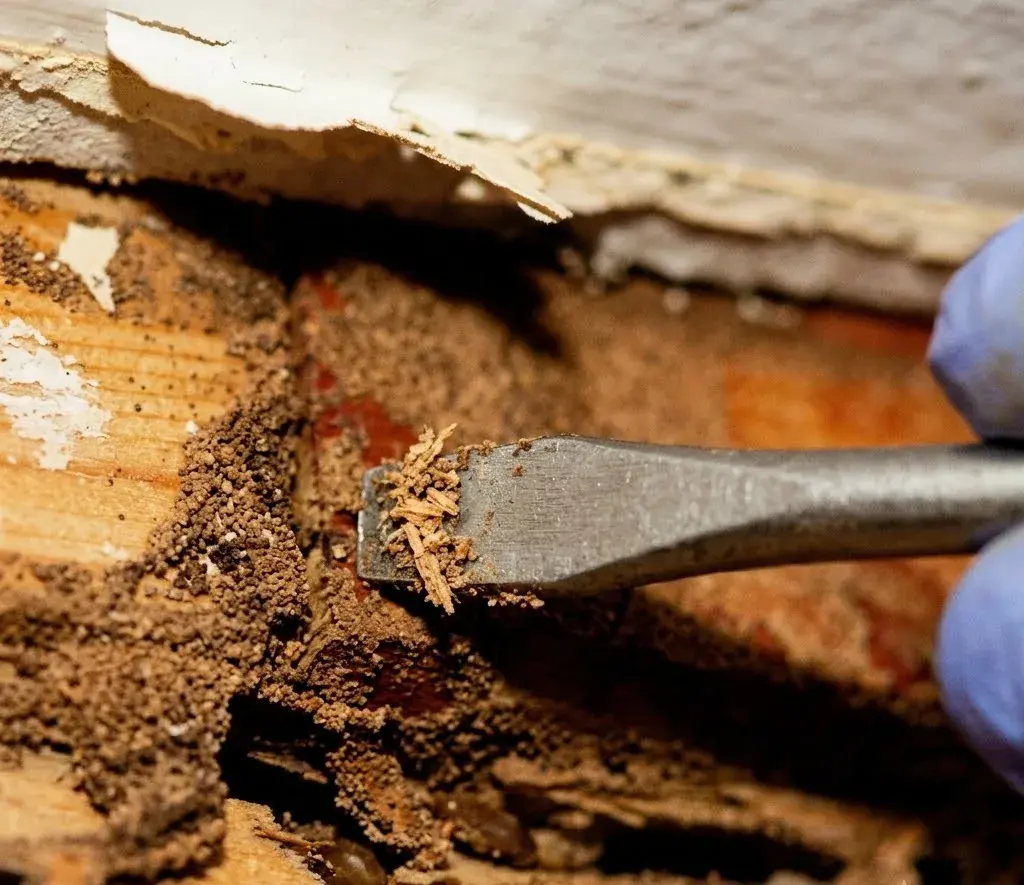
Termites can feed for years before you notice. These are the seven warning signs that mean it's time for an inspection, before…
Read article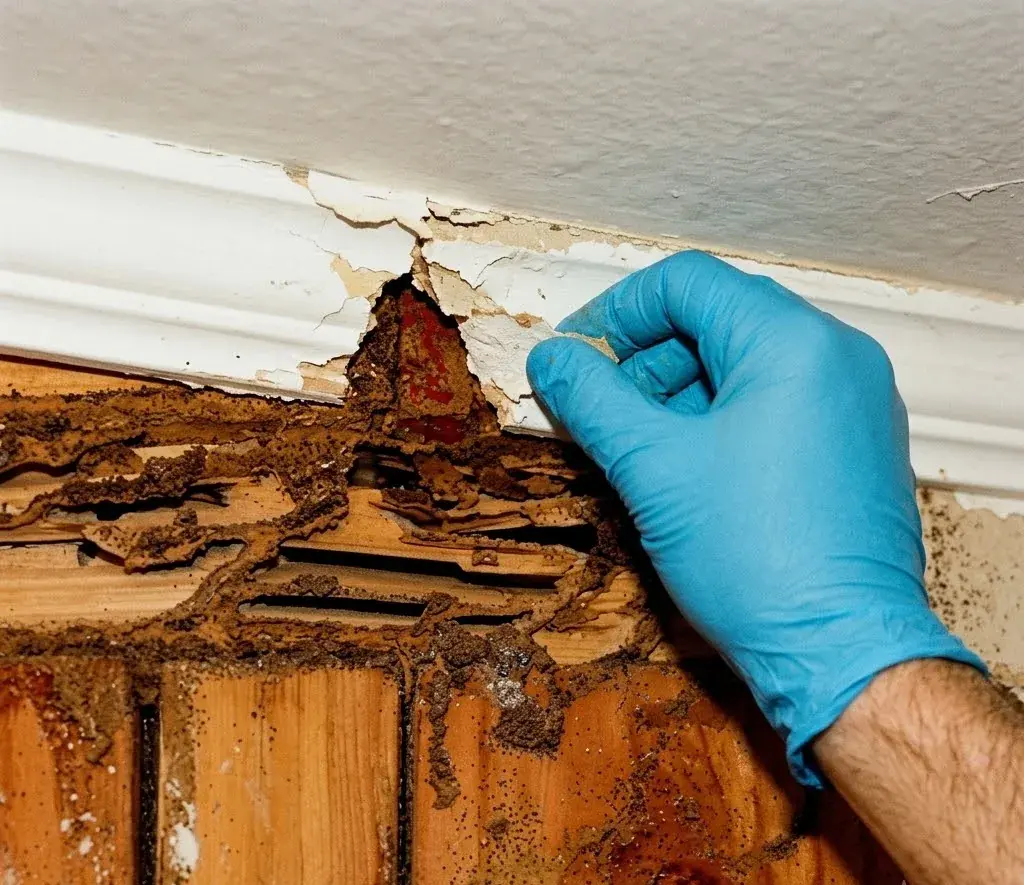
Subterranean termites don't just survive in coastal SC, they flourish. Here's the specific combination of conditions that makes the Lowcountry termite heaven.
Read articleSame day where we can, and an honest arrival window when you book. We cover Conway and out across Horry County.
Call (843) 896-1048