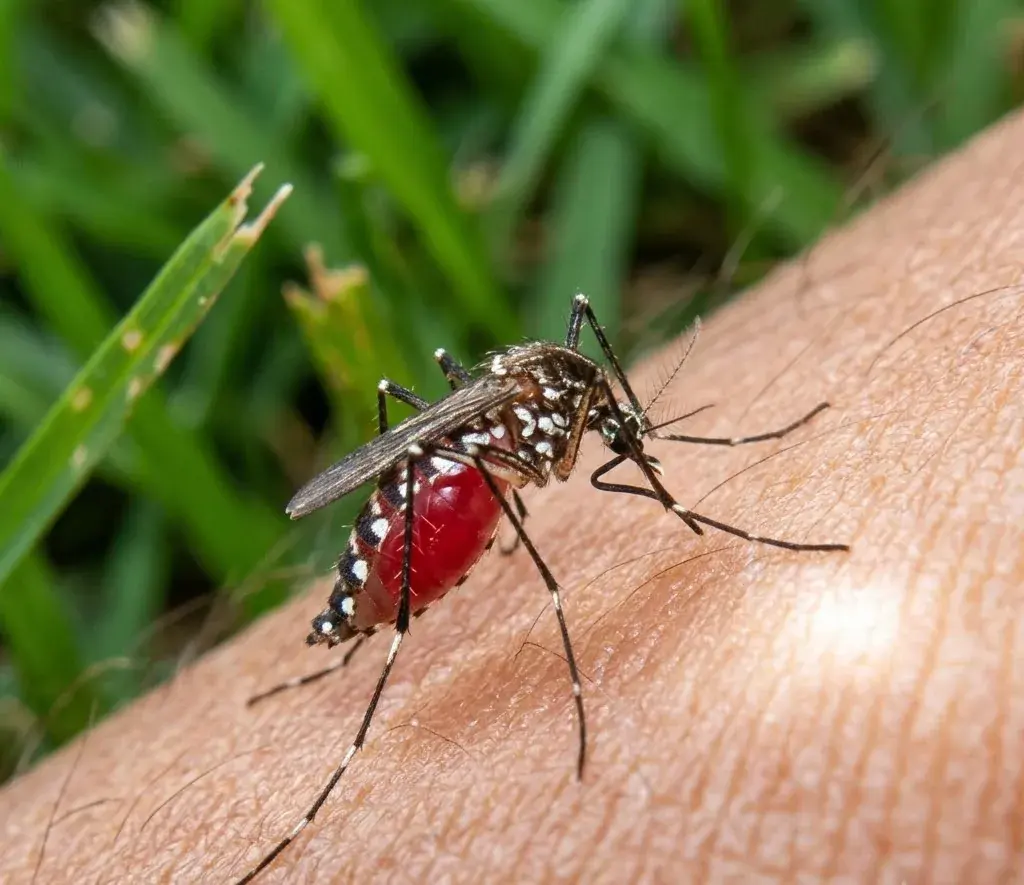
Mosquito & Tick Control
Take back your backyard from mosquitoes, no-see-ums, and ticks with targeted barrier and misting treatments.
Learn about Mosquito & Tick ControlSalt does the damage on Pawleys Island, loosening fixings and lifting trim until the gaps it opens become somebody else's way in.
Thirty-five miles south of Conway on the Waccamaw Neck, Pawleys Island holds a strip of old wooden cottages between the Atlantic Ocean and a wide salt marsh. Salt-laden air reaches both faces of a building here, and it works on the metal first. Nail heads rust and lose their grip, a screw in a shutter hinge gives up, and once a fixing lets go the board it held starts moving with the seasons. A gap follows: a lifted clapboard, a sill joint standing open a quarter inch, a corner board pulling away at the top. That is the entire route in for palmetto bugs, wasps, mice and eventually water. Inspecting these cottages means a slow walk with a torch and a probe rather than a spray round. Sealing and refixing what has opened, then treating whatever is already using it, is the order that holds on an old frame. Anything added since, an aluminum storm panel or a modern vent grille, corrodes on the same schedule and wants checking alongside the original timber.
Housing age, groundwater, and the season all feed into it. This is the picture specific to Pawleys Island.
The stock in Pawleys Island runs to old timber cottages with painted clapboard and shutters, plus raised mainland builds inland. Weep holes, siding starter strips and utility penetrations all sit low to the ground on builds like these, which is exactly the height palmetto bugs and rodents are working at once the ground stays wet.
Ground this close to the Atlantic Ocean and the Waccamaw River does not stay dry for long. Under a raised floor that reads as humidity which never really drops, and steady humidity beneath the house is the strongest predictor of termite and moisture-insect activity we see, so a reading is taken before anything gets recommended.
Salt spray and wind-driven rain reach every elevation on this strip, so fixings and sealant lines age years ahead of the same details a few miles inland. Knowing which stage is due next is what makes the work hold, and it costs less than picking up the phone once something is already indoors.
Given the Hammock Shops village close by, commercial standards cover a lot of the Pawleys Island work: defined treatment zones, product records, and a written report the manager can hand straight to a health inspector.
Ranges rather than a single number, because the honest figure depends on what the inspection finds. There is no charge for that inspection.
| Service | Estimated cost |
|---|---|
| Mosquito & Tick Control | an estimated $69–$139 |
| Bed Bug Treatment | an estimated $299–$1100 |
| Cockroach & Palmetto Bug Control | an estimated $99–$289 |
| Termite Control & Inspections | an estimated $449–$1400 |
Rusted fixings let boards move, and every board that moves leaves an opening at the joint.
Damp air off the marsh reaches the back of these buildings, so corrosion is not only an ocean-side matter.
Older timber buildings along US-17 show the same failed sealant lines and want the same close look.
Take back your backyard from mosquitoes, no-see-ums, and ticks with targeted barrier and misting treatments.
Learn about Mosquito & Tick Control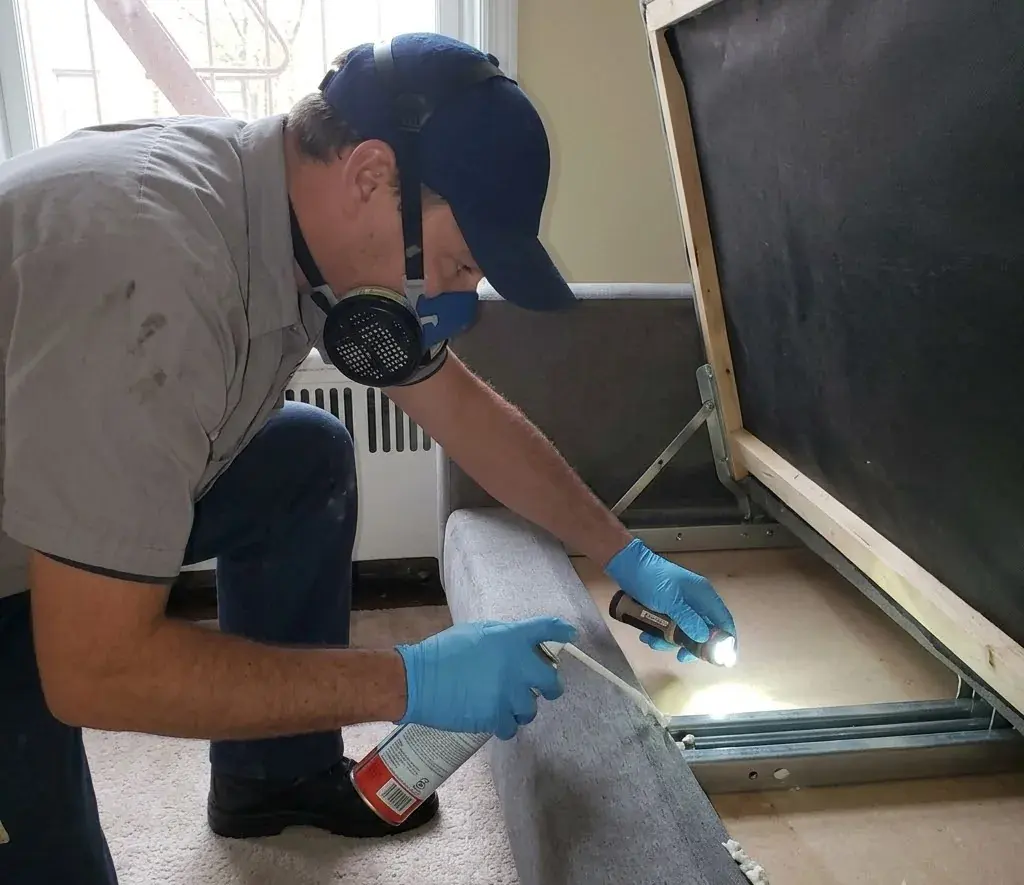
Discreet, methodical bed bug treatment that breaks the breeding cycle, not just the bugs you can see.
Learn about Bed Bug Treatment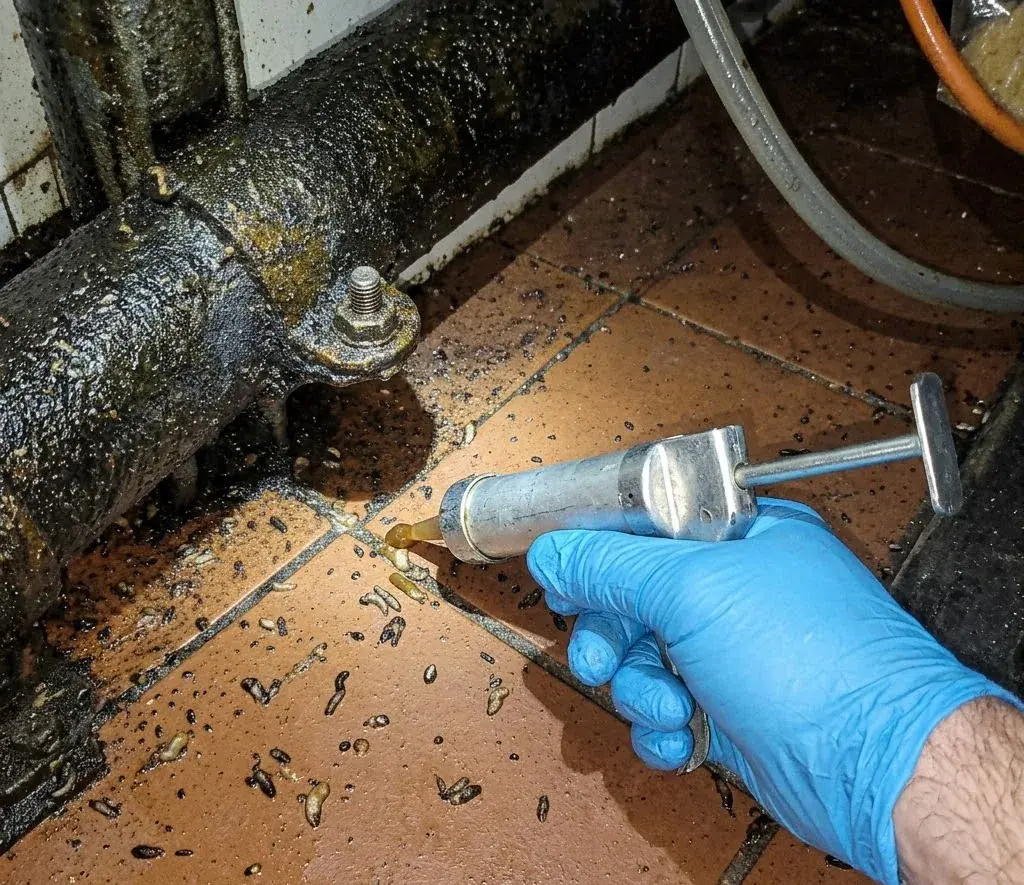
From palmetto bugs to German roaches, targeted treatment that hits the harborage and breaks the breeding cycle.
Learn about Cockroach & Palmetto Bug Control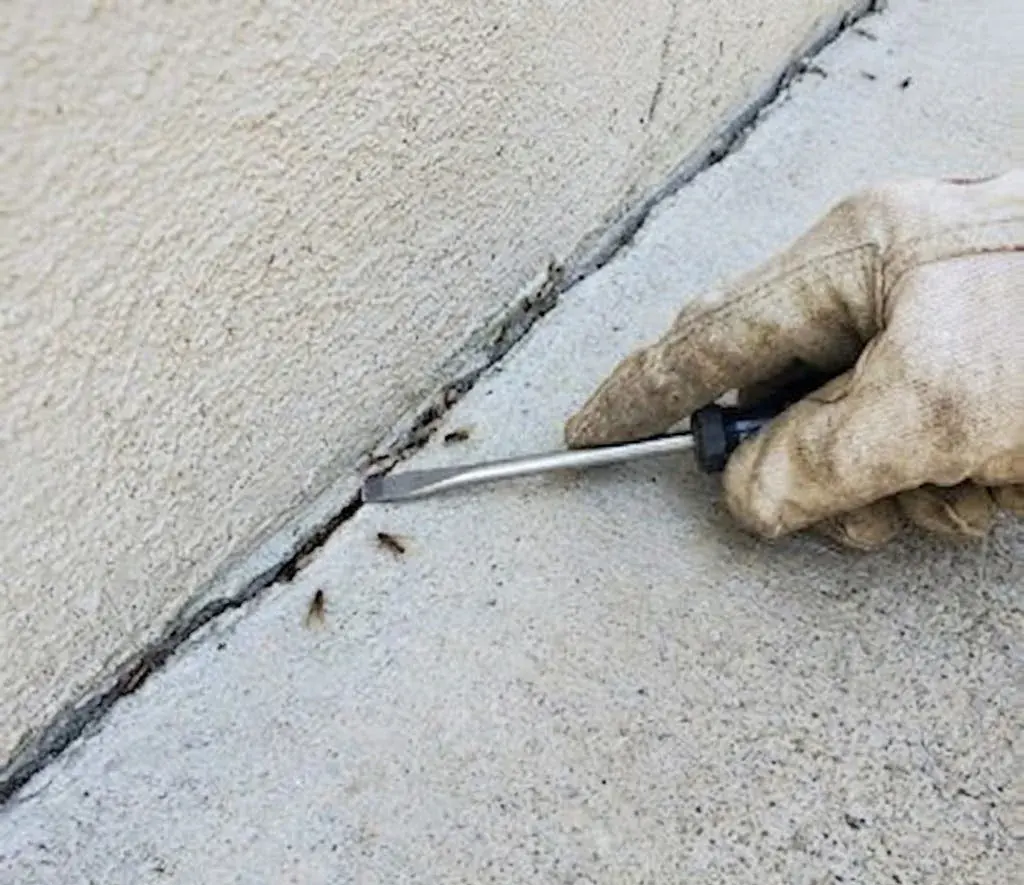
Subterranean and Formosan termites treated at the source, plus CL-100 inspections and ongoing protection bonds.
Learn about Termite Control & InspectionsCorrosion. Salt air pits the nails and screws holding trim, siding and flashing, and a fixing with no grip lets the board move every time the weather swings. Caulk on its own bridges the gap for a season and then splits along the same line. Refixing with corrosion-resistant hardware first, then sealing, is what makes the repair last. Salt washed off the woodwork each spring slows the whole process down.
Yes, and on cottages of this age it has to be. Screening behind a vent, bronze mesh pushed into a soffit gap, a color-matched flexible sealant at a sill joint and stainless fixings tucked under existing trim all do the work without changing what you see from the road. Nothing gets foamed across a visible face. Original hardware gets kept and reused wherever it still holds, and photographed before anything comes off.
Palmetto bugs and spiders take the smallest ones, paper wasps and mud daubers claim the sheltered voids behind lifted trim, and mice need only a gap the width of a pencil at a sill or corner board. On a marsh-side cottage a roof rat will take a soffit opening too. Each is a different job once inside, and one repair closes them all. Wasp nests behind lifted trim are the ones people find with a ladder.
Often a couple of hours for genuine urgency. Pawleys Island is About 35 miles south of Conway via US-17, and the technician arrives with the crawl space kit and product on board rather than turning up to look and quote, so the first visit normally settles it. Overnight and weekend cover exists for what cannot wait for morning.
Call now for a free inspection and honest recommendation. We serve Pawleys Island and the surrounding Horry County communities with fast, family-safe pest control.
Call (843) 896-1048