If you own a home in the Conway area, termites aren't a question of if, but when, and whether you're protected when they arrive. South Carolina sits squarely in what entomologists call the heavy termite-pressure zone, and coastal Horry County is about as active as it gets in the state. Here's why, and what it means for your home.
Why South Carolina is termite country
Termites thrive on warmth and moisture, and the Lowcountry offers both in abundance. Our long warm season, high humidity, sandy soil, and high water table create near-ideal conditions for subterranean termites, which live in the soil and tunnel up into any wood they can reach. Where colder states get a real winter slowdown, our termites stay active far longer each year.
Two kinds worth knowing
Most termite activity here comes from eastern subterranean termites, which are destructive enough on their own. But parts of coastal South Carolina also have the Formosan subterranean termite, an introduced species that builds enormous colonies and causes damage dramatically faster. Both nest in the soil and attack wood; Formosan activity just makes prompt, thorough treatment even more important.
The warning signs
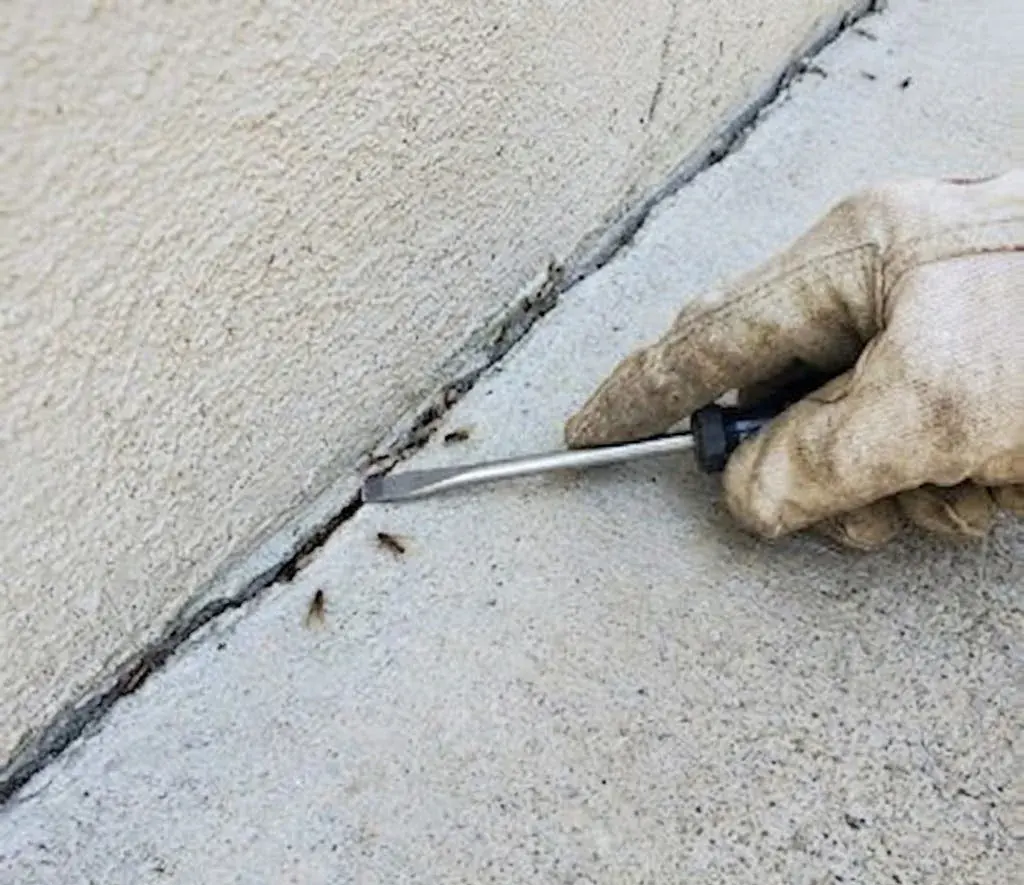
Termites work silently, so you have to know what to look for: pencil-width mud tubes running up foundation walls or crawl-space piers, winged swarmers or little piles of shed wings around windows in spring, wood that sounds hollow when tapped, and floors or trim that sag or blister. By the time damage is obvious, it's usually been going on a while.
Why a CL-100 matters here
In South Carolina, the CL-100 wood-infestation report is a fixture of real estate, most buyers, sellers, and lenders require one before a home closes. It documents active wood-destroying organisms and related moisture or damage. If you're buying or selling in the Conway area, you'll almost certainly need one, and it's worth having your own home inspected regularly regardless.
How to protect your home
Protection comes down to treatment plus monitoring: a liquid soil barrier, a baiting system, or both, backed by a renewable termite bond that keeps the treatment maintained and re-serviced year over year. Reducing crawl-space moisture helps too, since dampness draws and sustains them. In a high-pressure zone like ours, an annual inspection is the single smartest move a homeowner can make, and Conway SC Pest Control provides inspections, treatment, and bonds built for the local risk.
If an inspection finds activity, the termite treatment page explains the service, inspection, and ongoing protection options available in Conway.
Dealing with this in your home?
We offer free inspections and honest recommendations across Conway and the surrounding towns. Call (843) 896-1048 and we’ll help you sort it out.