Local Pest Guide
10 Common Household Pests Found in Conway, SC
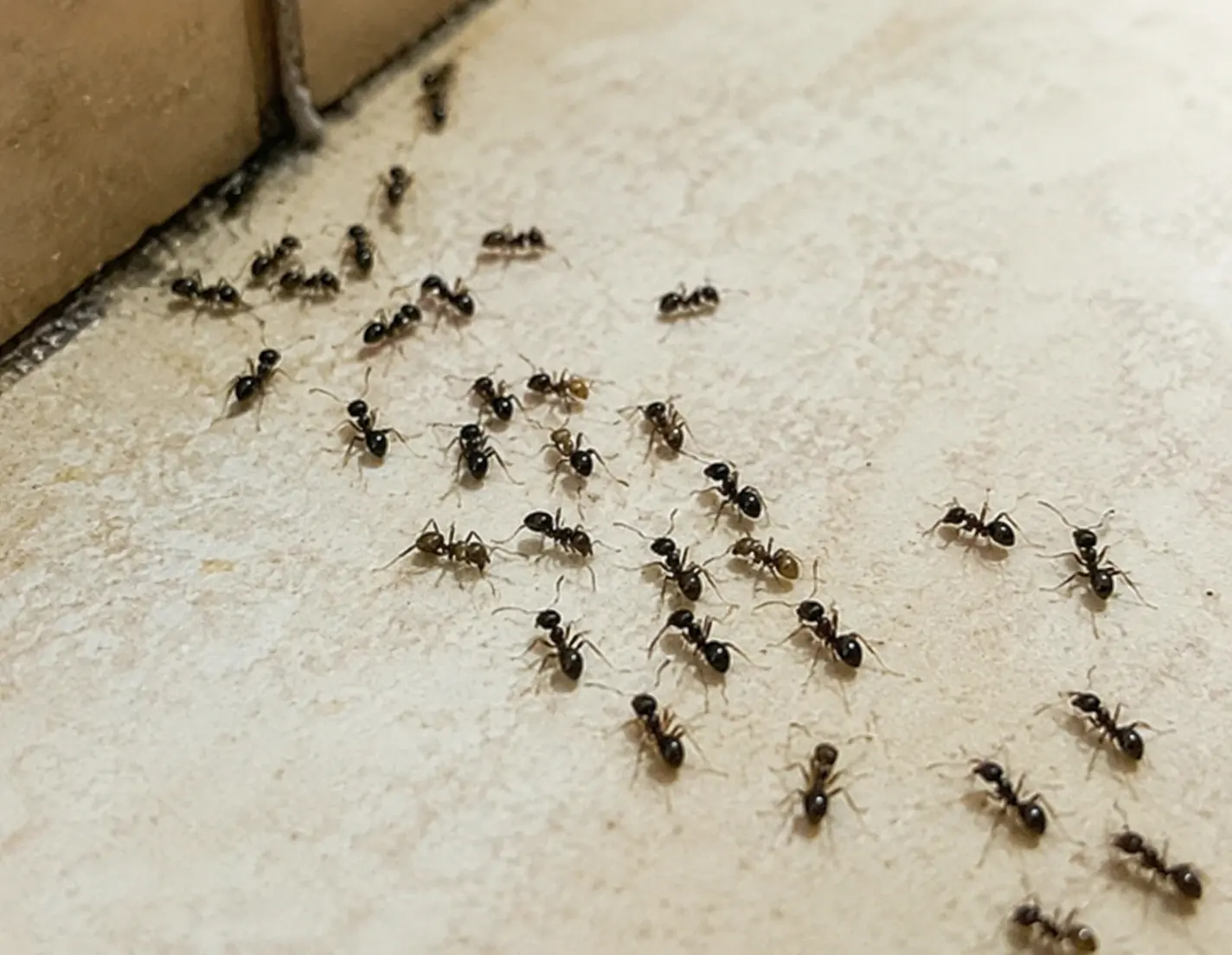
From palmetto bugs to fire ants and subterranean termites, here are the ten pests Conway homeowners deal with most, and what each…
Read article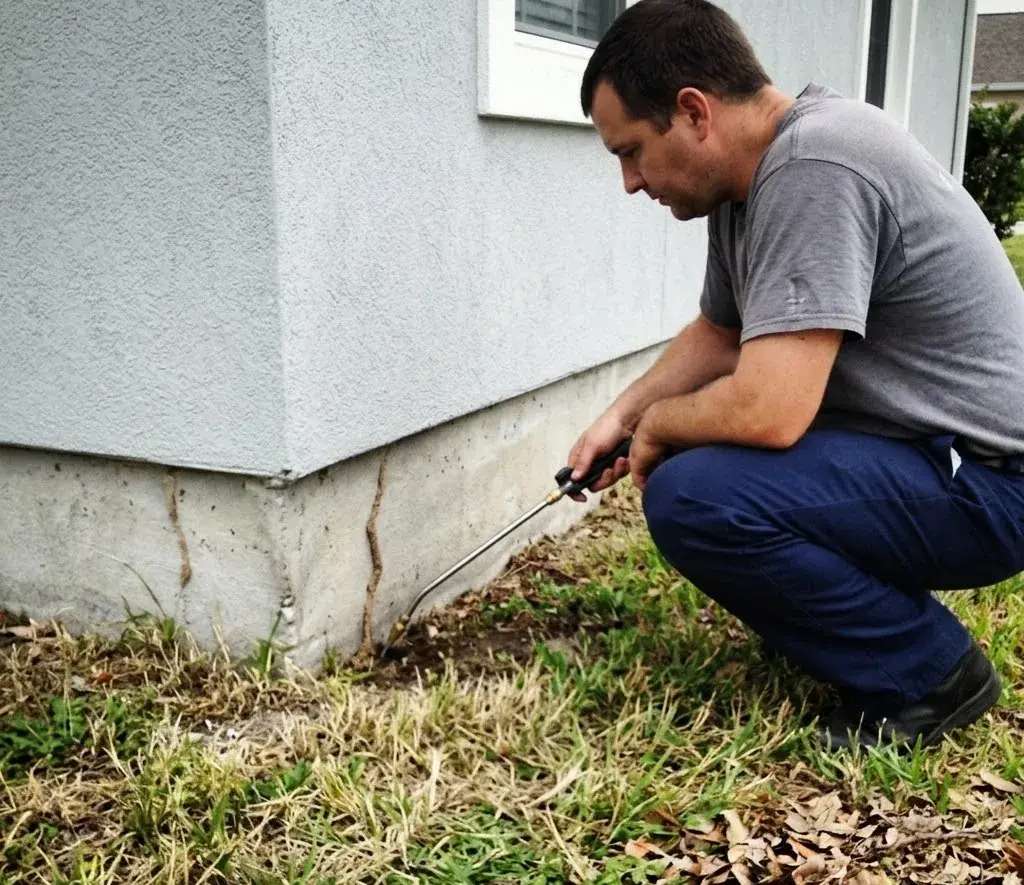
Effective control that leans on exclusion and reduced-risk products, gentle on your family, tough on pests.
Living near the Waccamaw River and Conway's wetlands, a lot of families care about what gets sprayed around their home, and rightly so. Eco-friendly pest control puts exclusion first: we find and seal the ways pests get in, correct the moisture and conditions attracting them, and reach for reduced-risk, targeted products only where they're actually needed, rather than blanketing the property.
This integrated pest management approach is a good fit for households with kids, pets, gardens, or sensitivities, and for properties close to waterways where you'd rather minimize runoff. It's not about doing less, it's about doing the right things in the right places, which often controls pests more durably than heavy broadcast spraying ever did.
Whether you're in Loris, Longs, Murrells Inlet, or elsewhere around Conway, eco-friendly pest control here has to account for humidity under the floor and a season that never fully closes. That is why the ants work holds up longer than a straight interior spray.
Houses make up the bulk of it, covered under residential pest control. Offices, restaurants and rental property go through commercial pest control, usually outside opening hours.
Households with little ones crawling on floors, pets in the yard, or vegetables growing often want the lowest-risk approach that still works.
Properties along the Waccamaw or near Conway's marshy edges benefit from reduced-runoff, targeted treatment rather than heavy broadcast spraying.
If odors or products have bothered your household in the past, an exclusion-first, low-toxicity plan keeps applications minimal and targeted.
We diagnose the pest and, just as importantly, the conditions letting it thrive, moisture, gaps, and food sources.
Sealing entry points and correcting attractants does the heavy lifting, reducing how much product is ever needed.
Where treatment is warranted, we use reduced-risk baits and products placed precisely, not sprayed across living space.
We watch results and adjust, so control comes from the whole approach rather than repeated heavy spraying.
Exclusion-first, reduced-risk control isn't a compromise on effectiveness, it's often more durable, because sealing entry points and fixing moisture solves the reason pests were there in the first place. Near Conway's waterways, minimizing product use is also just the responsible way to work.
Our eco-friendly service uses EPA-registered reduced-risk and targeted-bait products under South Carolina applicator licensing, applied per label to minimize exposure and environmental impact.
Near the Waccamaw and Conway's wetlands, we favor precise placement and exclusion over broadcast spraying, consistent with EPA integrated pest management guidance for sensitive sites.
Rough figures for eco-friendly pest control in this part of Horry County. You are told the number before anyone starts, and looking costs you nothing.
| Scale of it | What is included | Estimate |
|---|---|---|
| Just the one area | A single active area, treated where it sits | an estimated $85–$210 |
| The whole house | The house inside and a treated band right round the footing | an estimated $100–$300 |
| Larger footprint | Two stories, a wide slab, or activity showing in several rooms | an estimated $150–$480 |
| Set in | Heavy activity, worked in stages with the entry routes closed | an estimated $240–$795 |
None of this is a quote, because the crawl space decides too much of it. The Conway pricing guide goes through what actually moves the figure and what comes as standard.
Yes, often better for the long term. By sealing entry points and removing the conditions attracting pests, we address the root cause rather than just knocking down what's visible, which is what makes control last.
It's an integrated approach: exclusion and habitat correction first, then reduced-risk, targeted products (like precisely placed baits) used only where needed, rather than broad-spectrum spraying across your home and yard.
That's the point. We minimize product use, place what we do use in targeted spots away from living areas, and give clear guidance on any short re-entry windows. It's designed around families and pets.
Yes. Targeted, reduced-runoff treatment is exactly what we recommend for properties near water, where limiting product spread into the environment matters.
For most household pests, yes. For severe infestations we may recommend a more intensive plan, but even then we keep the approach as targeted and low-risk as the situation allows.
Pricing is comparable to our standard service, an estimated $99 to $199 for most homes, because the labor is similar; we're just shifting effort from spraying to inspection and exclusion.
Eco-friendly pest control sits at an estimated $99–$199 per treatment for a typical Conway property. That is a guide, not a binding price. A technician looks at the structure, the crawl space and the ground around it, then writes the figure down for you to sign off. Our pricing is deliberately set a little below the local average.
Longer pieces on identification, timing and what the season is doing.
From palmetto bugs to fire ants and subterranean termites, here are the ten pests Conway homeowners deal with most, and what each…
Read article
Store sprays have their place, and their limits. Here's an honest look at when DIY pest control works in a Conway home…
Read article
Monthly? Quarterly? Once a year? Here's how to decide how often your Conway home actually needs pest treatment, based on our coastal…
Read articleNobody can price eco-friendly pest control properly from a phone call in this market. Have somebody look, then decide. There is no charge for the looking.
Call (843) 896-1048