Pest Directory
Common Pests in Conway, SC
The 19 we are called out to most on this stretch of coast, each with the look-alike it gets mistaken for and what dealing with it actually takes.
Before you call
Every pest below gets its own page, written for Conway and the Horry County towns we cover rather than for the country in general. You get the physical tells that separate it from whatever it is confused with, the early signs, why it is turning up in a house built the way houses are built here, and what a treatment involves. Guide prices sit on the pricing guide.
Worth saying two things up front. Naming the thing correctly matters more than people expect, and the wrong product does not just fail, it can scatter a colony that was about to be dealt with, which is why several of these pages spend as long on the imposter as on the pest. And this list is deliberately local. Most pest advice online is written for places that get a proper freeze, so it quietly assumes a season that resets. Nothing resets here. A vented crawl space stays damp, mosquito weather runs most of the year, and there are two subterranean termite species in coastal counties rather than one.
Wood destroying insects
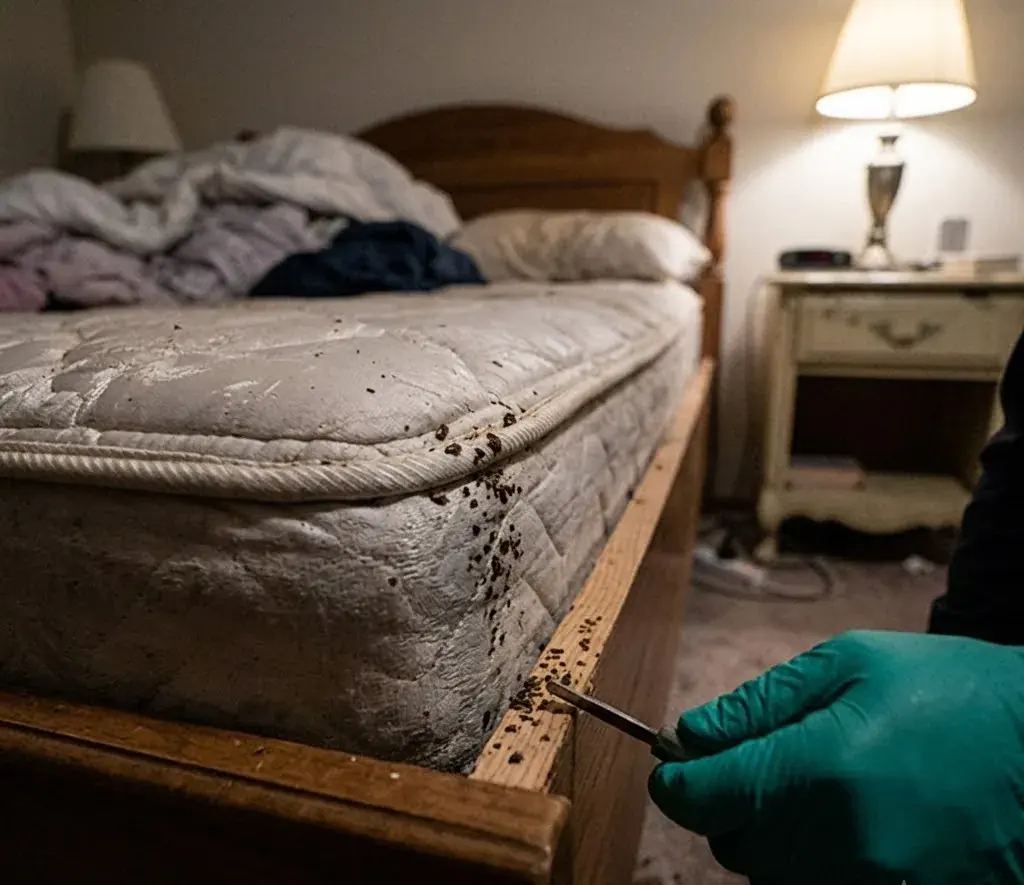
Ants and lawn pests
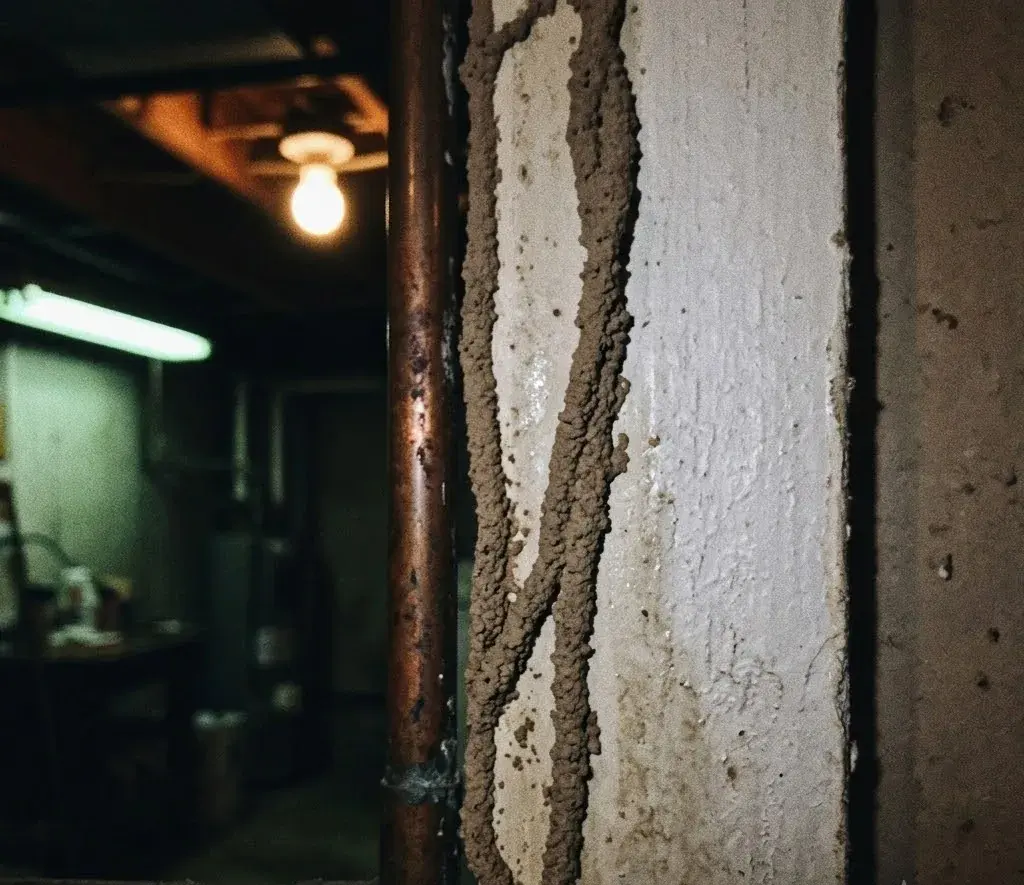

Cockroaches and crawling insects
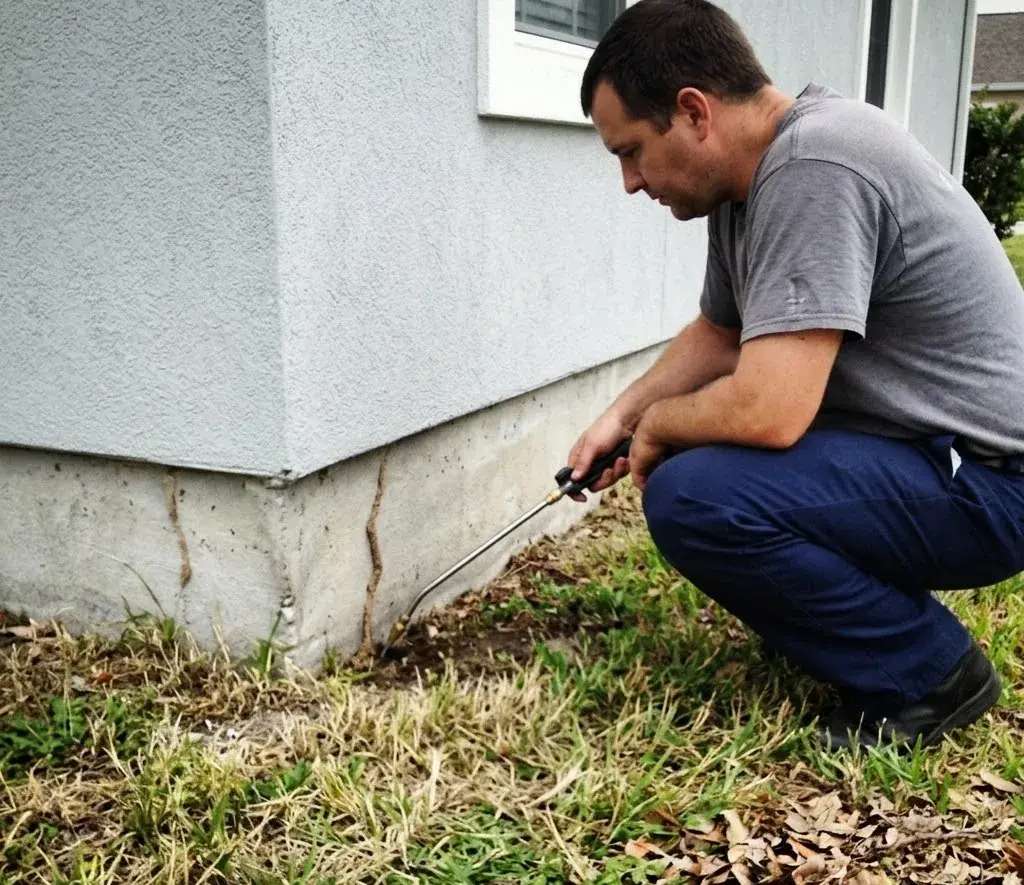
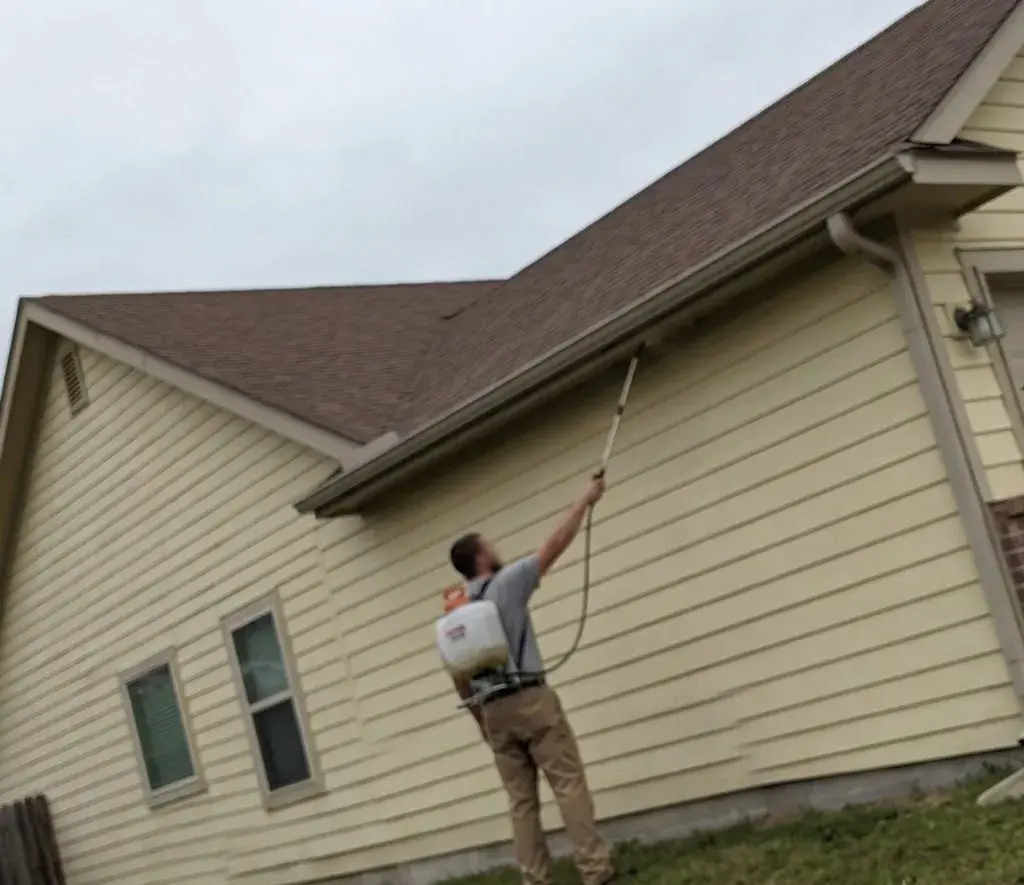
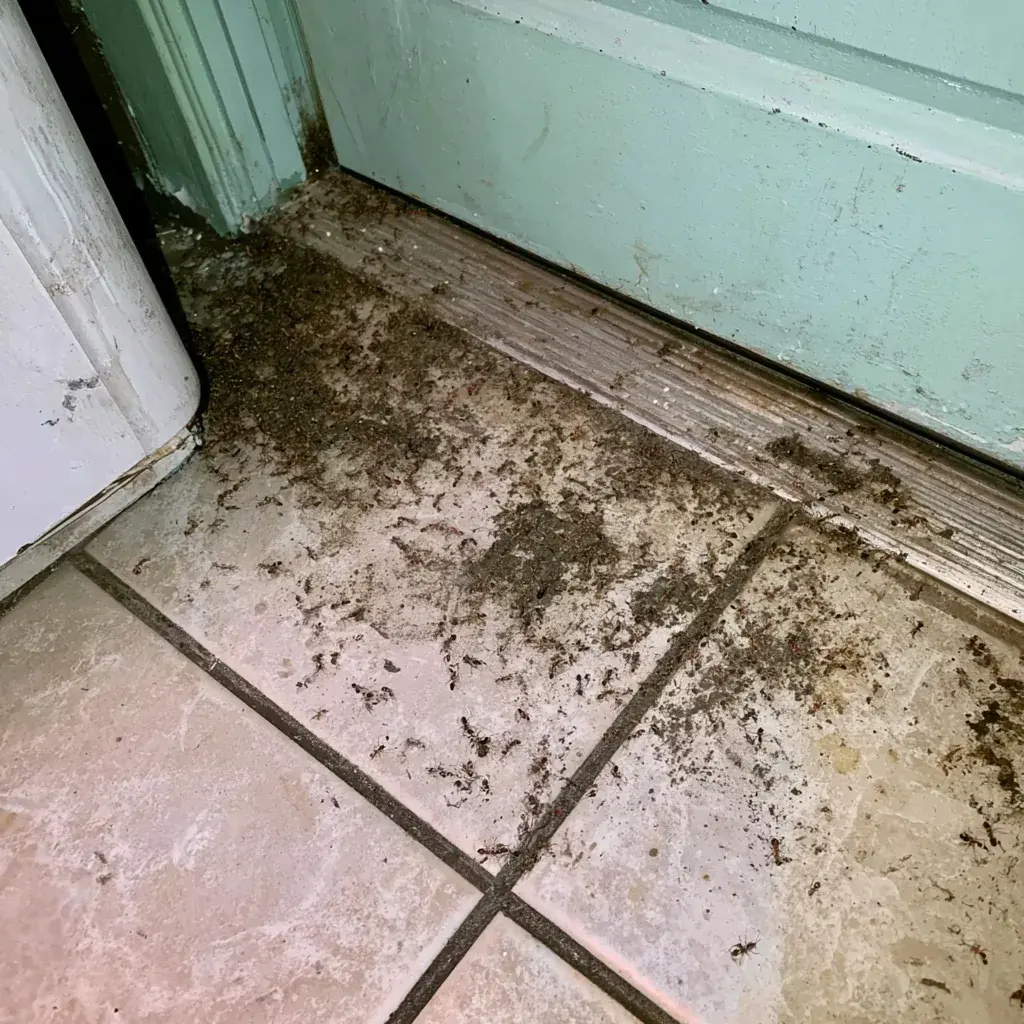
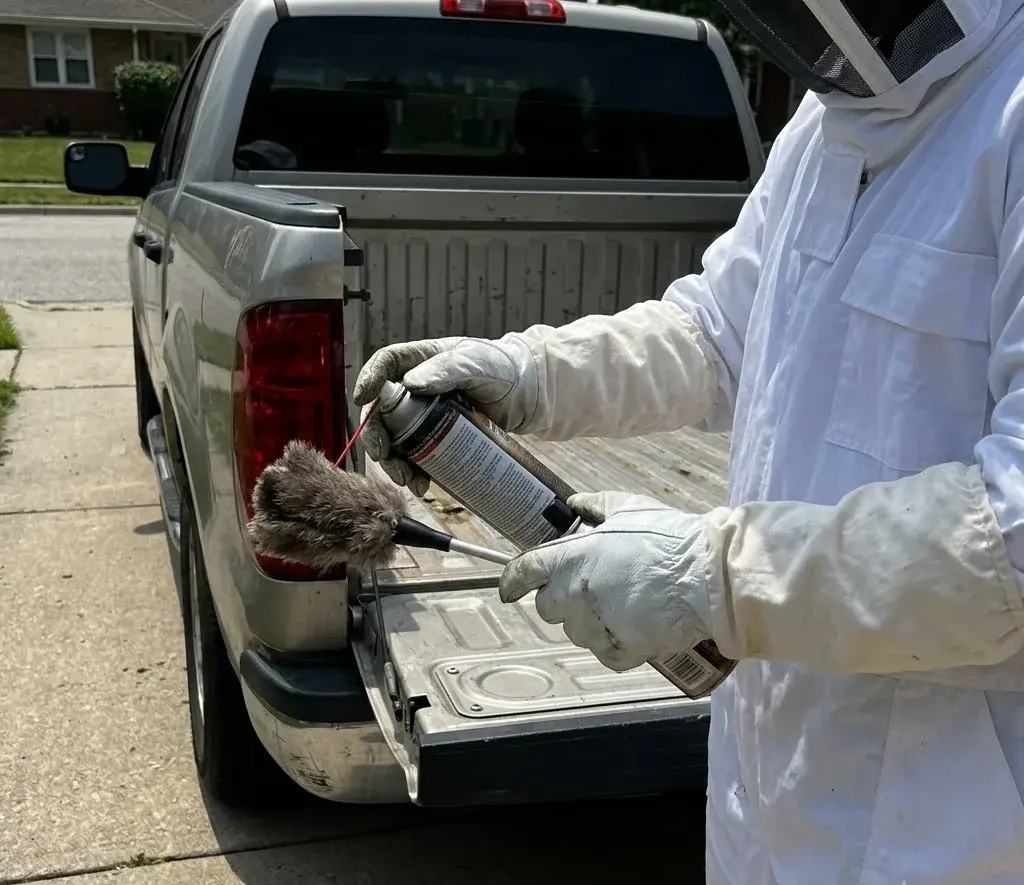
Biting and stinging
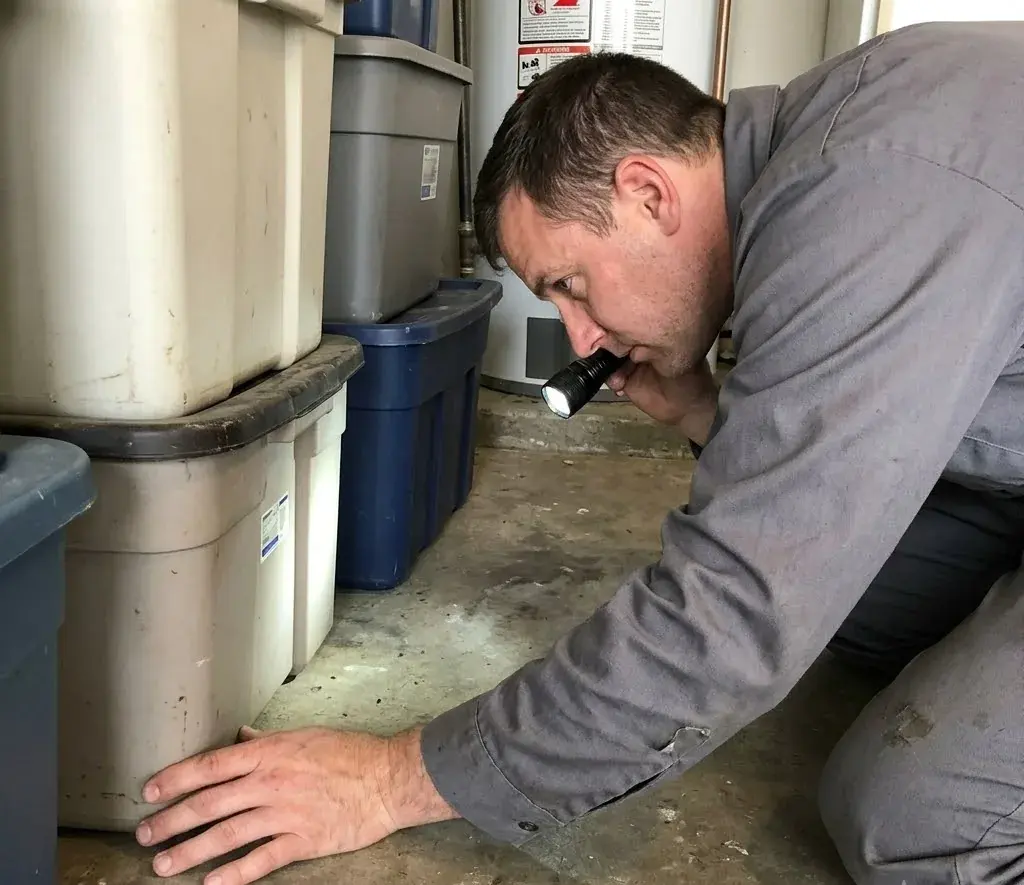
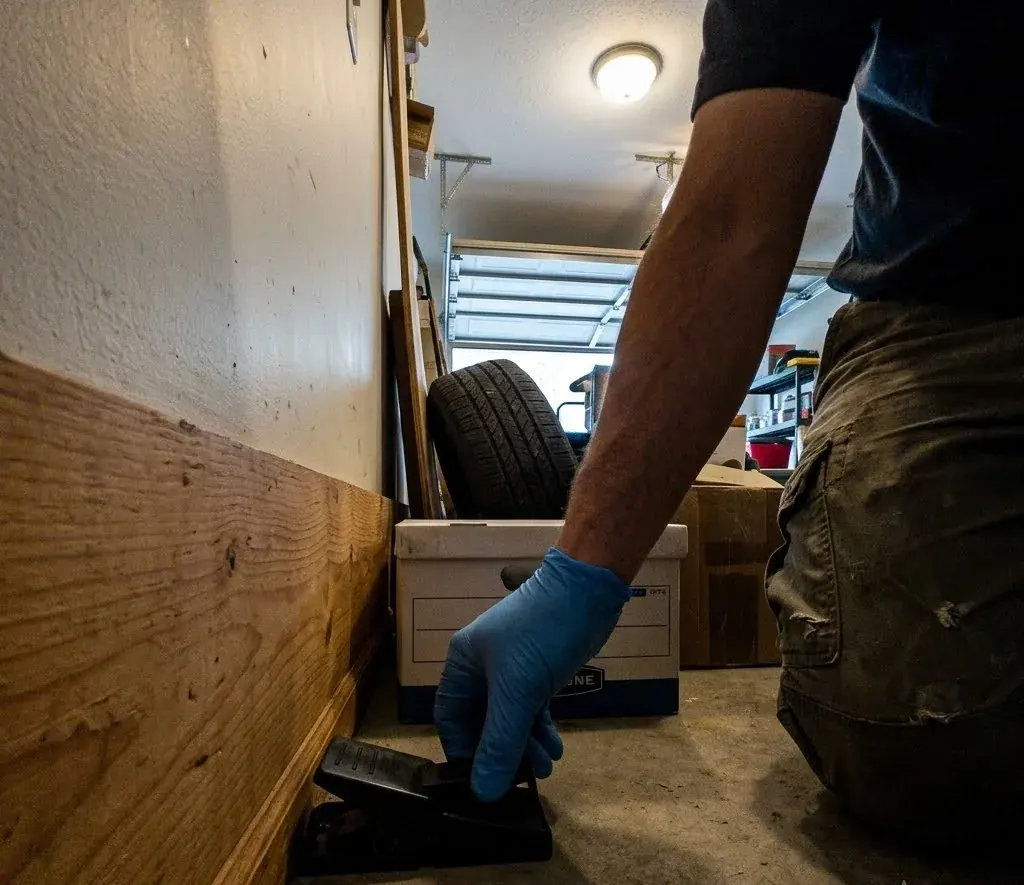
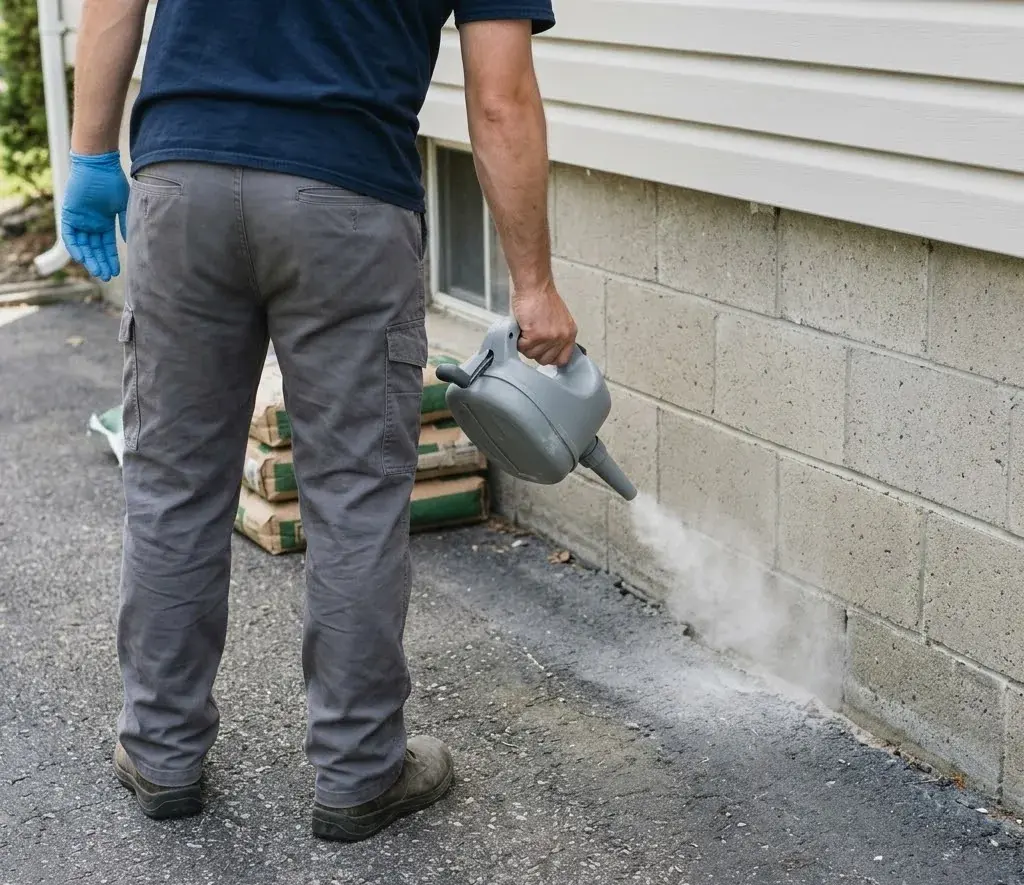
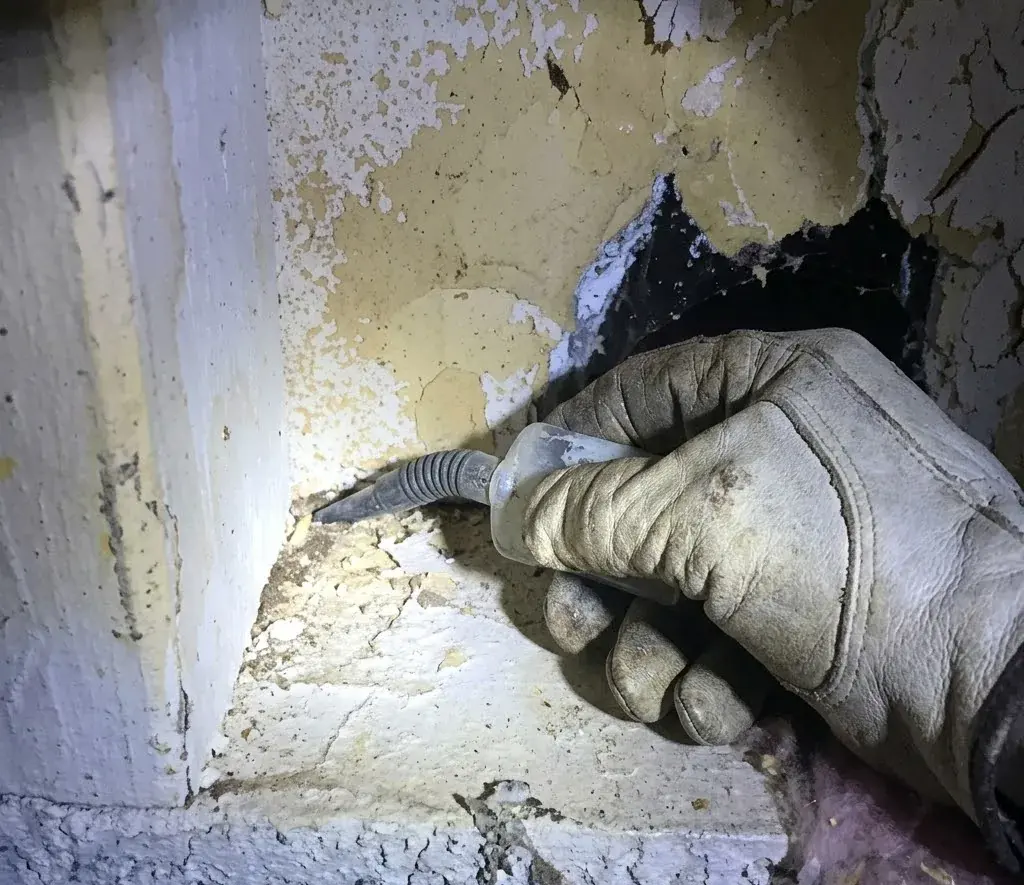
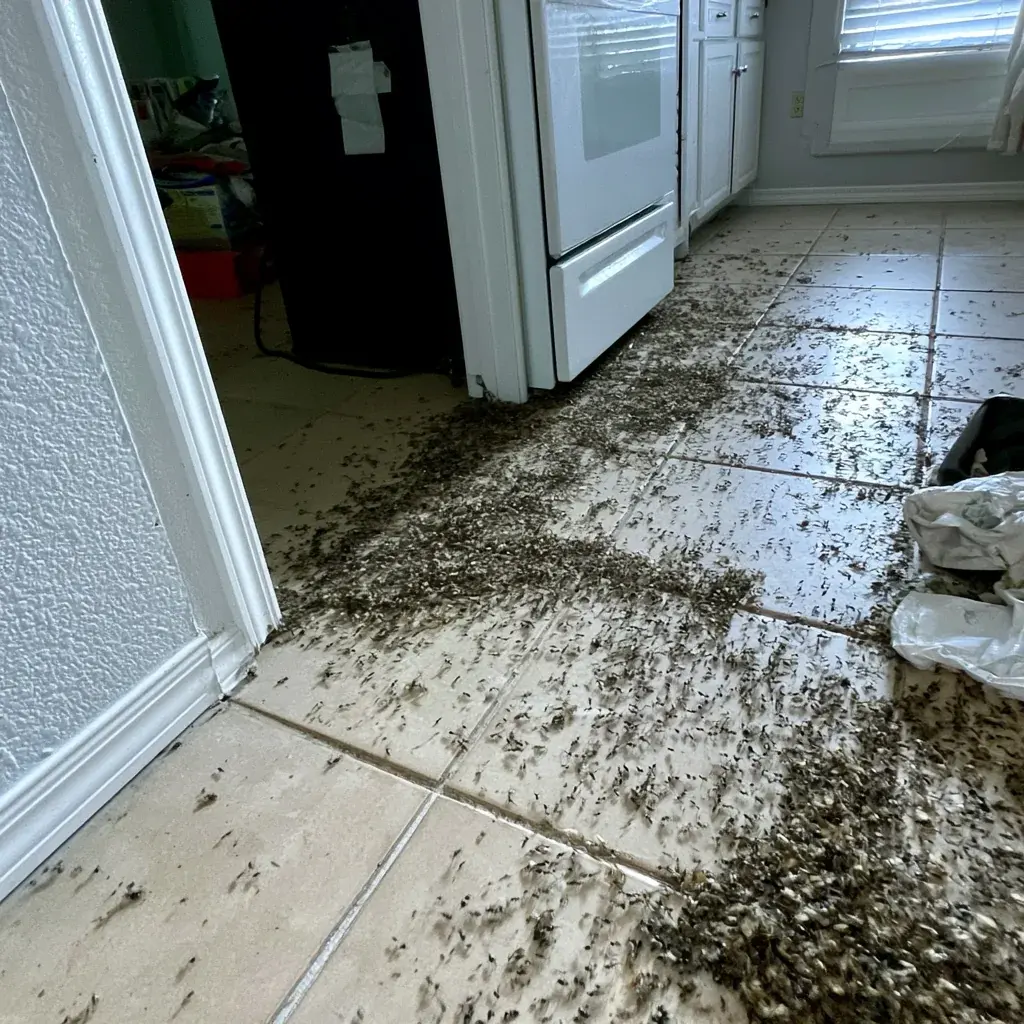
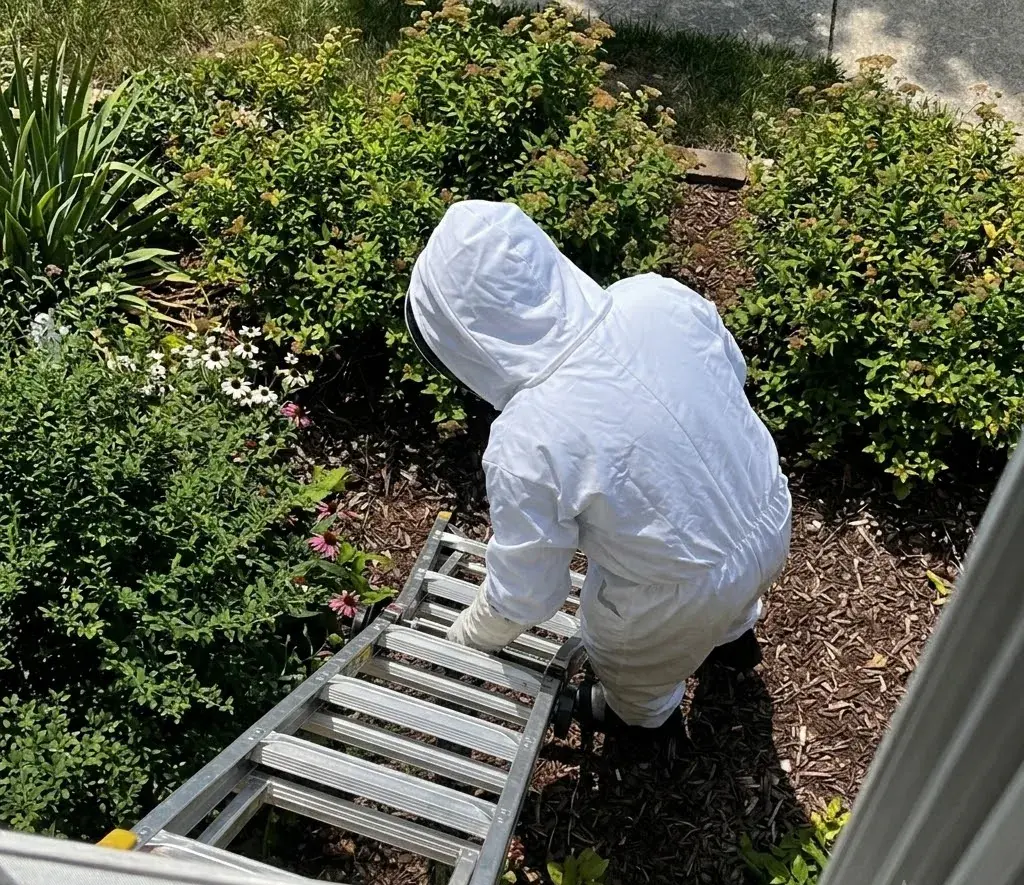
Rodents and flying insects
Questions & Answers
Frequently Asked Questions
Which pests are actually common in Conway?
Almost all of them, and for longer than most of the country. Termite swarms start in late winter here, fire ants and mosquitoes run from spring until the first real cool spell, palmetto bugs move indoors when the humidity climbs, and roof rats work the attics through the cooler months. There is no dead season to plan around, which is why a page per pest earns its place.
I have no idea which one this is. Where should I begin?
Begin from what you found, not from a guess at the name. A photograph, a wing off a windowsill, or simply which floor of the house it was on gets you further than a description. The symptom page is built the same way round: it starts from the thing you noticed and points at the likely cause. Getting the name wrong is the usual reason a treatment goes nowhere, and having somebody look costs you nothing.
Why do some of these cost so much more than others?
Because they are different amounts of work, not different rates. An ant perimeter is an afternoon. Termites mean linear feet of foundation and an agreement that runs for years. Bed bugs mean preparation, heat or repeat visits, and a room at a time. Anything in a crawl space or an attic means somebody in a suit with a light. The published bands on the pricing guide reflect that gap rather than hiding it.
Get Started Today
Describe it and we will name it
Ring us with what you found and where. Getting that right is what decides whether a treatment holds, and an inspection does not cost you anything.
Call (843) 896-1048