Homeowner Tips
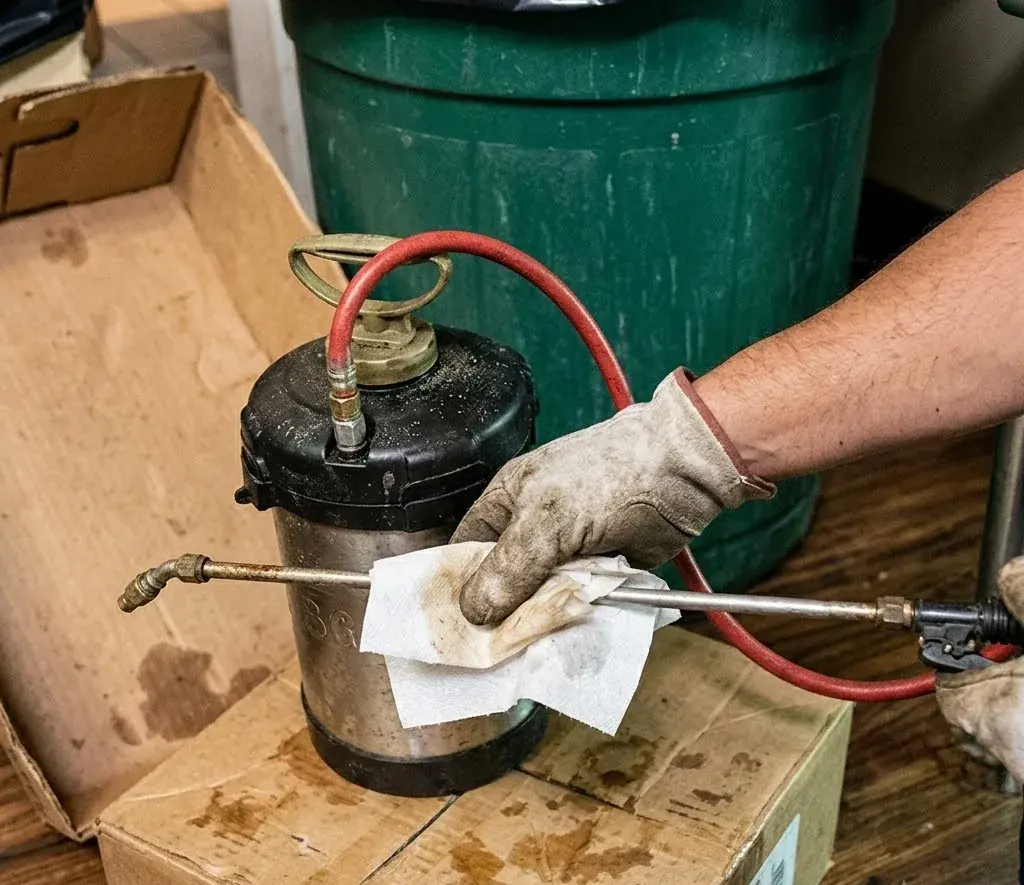
DIY vs Professional Pest Control: Which Works Better?
Store sprays have their place, and their limits. Here's an honest look at when DIY pest control works in a Conway home…
Read article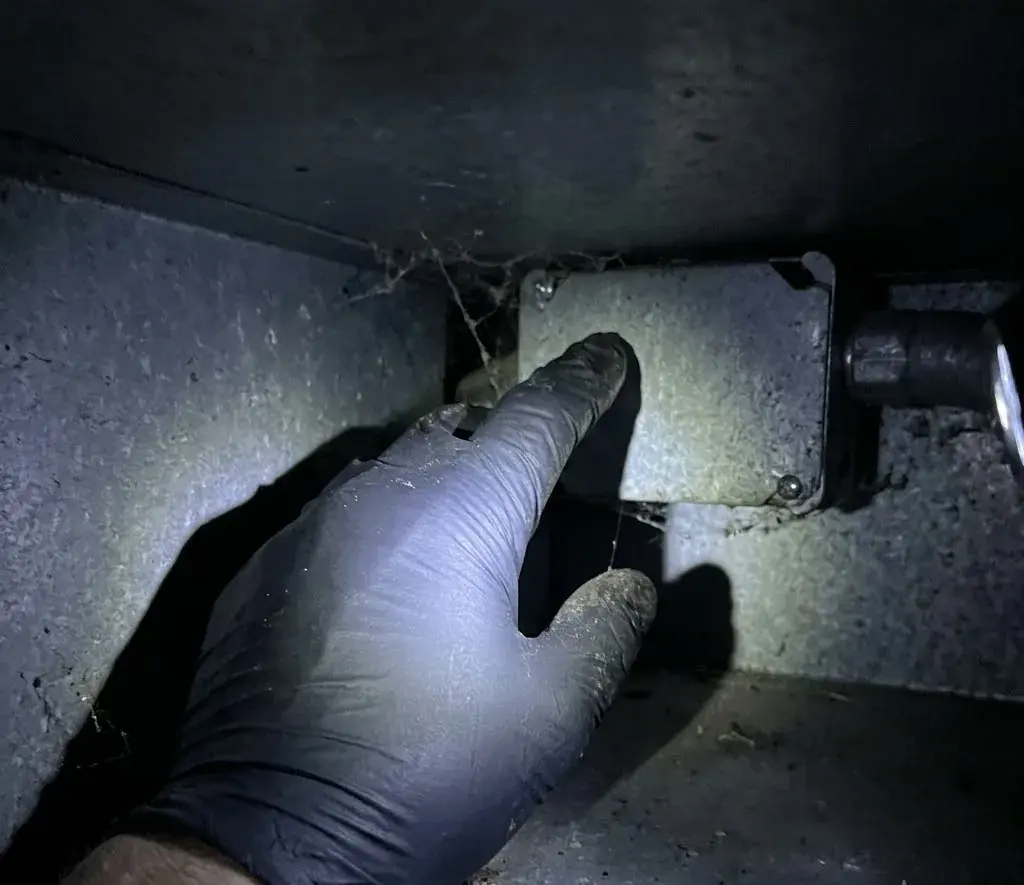
Clear the attic of rodents and pests, seal how they got in, and clean up what they left behind.
The attic is out of sight, which is exactly why pest problems there grow before anyone notices. Along the coast, roof rats and squirrels use overhanging branches and rooflines to reach soffit and gable gaps, then nest in the insulation; wasps and hornets build in gable vents and eaves; and the warmth draws all kinds of insects upward. Left alone, they chew wiring, compress and foul insulation, and leave droppings that become both a health concern and a magnet for the next intruder.
Attic pest control combines removal, exclusion, and cleanup. We identify and clear whatever's living up there, seal the roofline and vent gaps they used to get in, and advise on cleaning or replacing contaminated insulation so the scent trail that draws more pests is gone. It's how you turn the attic back into storage instead of a wildlife den.
Whether you're in Briarcliffe Acres, Bucksport, Galivants Ferry, or elsewhere around Conway, attic pest control here has to account for humidity under the floor and a season that never fully closes. That is why the roof rats & mice work holds up longer than a straight interior spray.
On a house, start at residential pest control. If the address is a business, a vacation rental or a multi-unit building, commercial pest control is the page you want.
Noises in the ceiling, especially climbing and scampering after dark, usually mean roof rats or squirrels have moved into the attic.
Droppings, tunnels through the insulation, or matted nesting areas found during an attic check confirm an active population living above the ceiling.
Visible gaps at soffits, gable vents, or where the roof meets the wall are the entry points pests exploit, and often where you'll see rub marks or chewing.
We inspect the attic for active pests, nesting, droppings, and the roofline and vent gaps being used to get in.
We remove the rodents, insects, or wildlife present, working alongside sealing so they can't simply return.
We seal soffit, gable, and roofline gaps and screen vents to lock pests out of the attic for good.
We advise on cleaning or replacing contaminated insulation and removing droppings, which eliminates health risks and the scent that attracts new pests.
Attic infestations do quiet, expensive damage, chewed wiring is a fire risk, and fouled insulation loses efficiency and holds contamination. Because pests keep using the same roofline gaps, sealing those entry points is what makes attic control stick rather than repeat every season.
Attic work follows integrated pest management and CDC guidance for safe handling of rodent contamination, prioritizing exclusion and sanitation over repeat chemical treatment.
Any products used in the attic are EPA-registered and applied per label by technicians licensed under South Carolina's pesticide regulations.
Attic Pest Control around Conway usually lands somewhere in here. Where exactly depends on the house, and you get the real figure in writing after somebody has looked.
| How big | What that covers | Estimated |
|---|---|---|
| One spot | A contained problem in one room, the garage or one bed of the yard | an estimated $195–$790 |
| Normal house | A normal whole-house call, indoors and round the outside | an estimated $230–$1125 |
| Bigger house | More house to cover, or a population already past the early stage | an estimated $345–$1800 |
| Long-running | Long-running pressure needing staged visits and sealing under the floor | an estimated $550–$3000 |
Dealt with early this stays near the bottom of the band; left through a warm wet summer it does not. The pricing guide shows by how much, and where damage cover stands.
Usually through roofline gaps, soffit and gable openings, vents, and spots where branches or wires give climbing rodents access. Along the coast roof rats and squirrels are especially good at exploiting the upper structure, so that's where we focus the inspection.
Not always. Light activity may just need cleanup, but heavily soiled or nested-in insulation is best cleaned out and replaced, both for efficiency and to remove droppings and scent that attract more pests. We'll tell you honestly what's needed.
Yes, that's the key step. Removal without sealing leaves the entry points open for the next rodent or squirrel. Sealing the roofline and vent gaps is what turns a one-time removal into lasting control.
It can be. Rodent droppings and nesting material can carry pathogens, so we follow safe-handling guidance for cleanup and recommend proper protective steps rather than just sweeping it out.
Yes. Wasps and hornets commonly nest in gable vents and eaves. We treat and remove the nest safely and screen or seal the opening so a new colony doesn't rebuild there.
It depends on the pests present and how much sealing and cleanup is involved, but most attic jobs run an estimated $229 to $750. Insulation replacement, if needed, is quoted separately after inspection.
Treat an estimated $229–$750 per treatment as the planning range for attic pest control in Conway. What moves it: the treated footprint, access under the house, and whether the yard needs covering as well as the structure. There is no charge for the visit that produces the exact number, and no fee added on afterwards.
Prevention, moisture and timing, covered properly rather than in a paragraph.
Store sprays have their place, and their limits. Here's an honest look at when DIY pest control works in a Conway home…
Read article
Monthly? Quarterly? Once a year? Here's how to decide how often your Conway home actually needs pest treatment, based on our coastal…
Read article
Searching for the best pest control company gets you a list of ads. These are the questions, red flags, and quote details…
Read articleSame day where we can, and an honest arrival window when you book. We cover Conway and out across Horry County.
Call (843) 896-1048