Local Pest Guide
10 Common Household Pests Found in Conway, SC
From palmetto bugs to fire ants and subterranean termites, here are the ten pests Conway homeowners deal with most, and what each…
Read article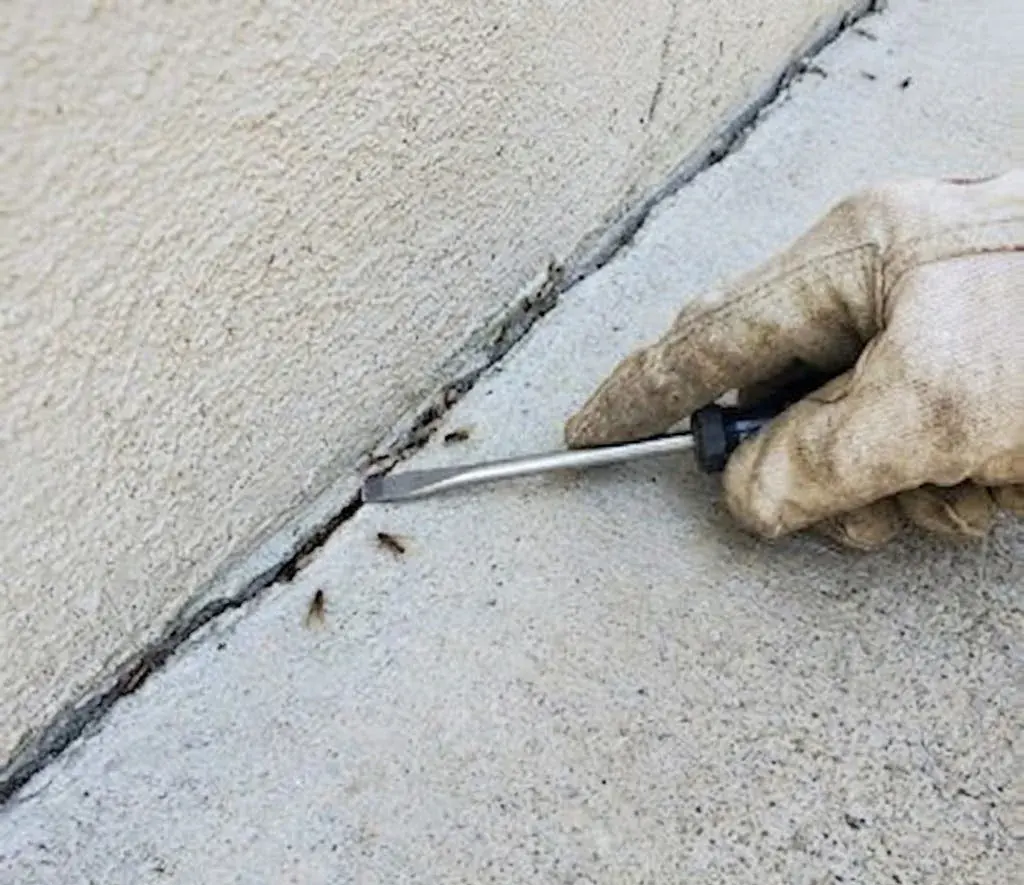
Subterranean and Formosan termites treated at the source, plus CL-100 inspections and ongoing protection bonds.
South Carolina is prime termite country, and coastal Horry County is about as active as it gets. Warm ground, high moisture, and a long season let subterranean termites, and in some areas the far more aggressive Formosan subterranean termite, work quietly year-round. They tunnel up from the soil into sills, framing, and subfloors, and by the time you see mud tubes on the foundation or swarmers at a window, the colony has usually been feeding for a while.
Our termite service covers the full range: a thorough inspection to confirm activity and locate it, targeted treatment of the source (liquid soil barriers, baiting systems, or both), and ongoing protection through a renewable termite bond. We also provide the official CL-100 wood-infestation report that buyers, sellers, and lenders require for real-estate closings across the Grand Strand.
A termite inspection and a termite treatment solve different parts of the problem. An inspection checks accessible foundation edges, crawl-space supports, slab penetrations, porches, additions, and other likely entry points for live activity, shelter tubes, swarm evidence, damaged wood, and moisture conditions. Those findings show whether a Conway property needs active colony treatment, preventive protection, follow-up monitoring, or separate paperwork for a property transaction.
Liquid soil treatment and bait stations approach termite control in different ways, so the right choice depends on the building rather than a one-size-fits-all package. Crawl-space access, slab construction, previous treatment, additions, and the location of activity all shape the recommendation. The licensed pros we connect you with explain what the proposed termite control service covers, what will be monitored afterward, and which renewal or re-treatment terms belong to the agreement before work begins.
Whether you're in Atlantic Beach, Briarcliffe Acres, Bucksport, or elsewhere around Conway, termite control & inspections here has to account for humidity under the floor and a season that never fully closes. That is why the eastern subterranean termites work holds up longer than a straight interior spray.
On a house, start at residential pest control. If the address is a business, a vacation rental or a multi-unit building, commercial pest control is the page you want.
Pencil-width mud tubes running up a foundation wall or pier are subterranean termites' highway from the soil to your wood. They're one of the clearest signs of an active colony.
Winged termites indoors, or little piles of shed wings on windowsills, mean a mature colony is reproducing nearby, often the first thing a homeowner notices.
Wood that sounds hollow when tapped, sagging floors, or paint that looks blistered can all signal termites eating a member from the inside out.
Renovation, plumbing work, or a crawl-space visit can expose hidden tubes, damaged sill wood, or live insects. Leave the area undisturbed when possible so an inspection can separate current activity from old damage before treatment is chosen.
We check the foundation, crawl space, sills, and moisture-prone areas for active termites, mud tubes, and damage, then map exactly what's happening.
Depending on the situation we install a liquid soil barrier, a baiting system, or both, to eliminate the colony and block re-entry from the soil.
We document findings, advise on any damaged wood, and provide the CL-100 report when a real-estate transaction requires it.
A renewable termite bond keeps the treatment monitored and re-serviced year over year, critical in a high-pressure coastal zone.
Termites cause more structural damage in the Southeast than storms and fire combined, and they never take a season off here. Treating the source and maintaining a bond is far cheaper than repairing sills and subfloor later, which is why annual inspection is the single smartest move a Conway homeowner can make.
Our wood-infestation reports follow the official South Carolina CL-100 format regulated by Clemson University's Department of Pesticide Regulation, the report lenders and closings across Horry County require.
Termite (wood-destroying organism) treatment is performed under SC's dedicated WDO applicator licensing with EPA-registered termiticides and bait systems applied per label.
A service recommendation should follow an inspection of accessible conditions rather than assume every Conway property needs the same method. The licensed pros we connect you with match the proposed treatment and monitoring plan to the building and the evidence found.
The company that accepts the job should identify the treatment areas, method, follow-up schedule, renewal terms, and any re-treatment or repair coverage in its own written agreement. That makes the difference between the initial termite service and continuing protection clear.
Termite Control & Inspections around Conway usually lands somewhere in here. Where exactly depends on the house, and you get the real figure in writing after somebody has looked.
| How big | What that covers | Estimated |
|---|---|---|
| One spot | A contained problem in one room, the garage or one bed of the yard | an estimated $380–$1470 |
| Normal house | A normal whole-house call, indoors and round the outside | an estimated $450–$2100 |
| Bigger house | More house to cover, or a population already past the early stage | an estimated $675–$3360 |
| Long-running | Long-running pressure needing staged visits and sealing under the floor | an estimated $1080–$5600 |
Exclusion work under the floor, and any attic clean-out, is quoted on its own rather than buried in the figure above. The Conway pricing guide sets out every service and what pushes a number up.
The CL-100 is South Carolina's official Wood Infestation Report, the termite letter most buyers, sellers, and lenders require before a home closes. It documents any active wood-destroying organisms and related moisture or damage. If you're buying or selling in the Conway area, you'll almost certainly need one.
Both nest in the soil and attack wood, but Formosan subterranean termites, present in parts of coastal SC, build much larger colonies and cause damage faster. Both are treated with soil barriers and baiting, but Formosan activity calls for especially prompt, thorough treatment.
The two main methods are a liquid termiticide barrier applied to the soil around and under the structure, and in-ground bait stations that colonies feed on and carry back to the nest. Often we use a combination, matched to your home's construction and the infestation.
A termite bond is a renewable agreement that keeps your treatment monitored and re-serviced. Depending on the bond, it covers re-treatment and sometimes damage repair if termites return. In our climate it's strongly recommended, not optional peace of mind.
It varies widely with the home's size, construction, and infestation, but most termite treatments run an estimated $449 to $1,400, with bonds and CL-100 inspections priced separately. We give you a firm quote after inspecting.
Annually, at minimum, in coastal South Carolina. The pressure is high enough here that yearly inspection is the accepted standard for catching activity before it becomes costly structural damage.
No. An inspection looks for evidence, identifies likely entry points, and records accessible conditions. Treatment is the work chosen after those findings, such as a liquid soil application, bait stations, or a combination. An inspection can also find old damage without proving that termites are active now, which is why the distinction matters.
The answer depends on where activity is found, whether the home has a slab or crawl space, where soil can be reached, and whether an earlier treatment is still in place. The licensed pro who inspects the property should explain why a liquid treatment, bait system, monitoring plan, or combined approach fits those conditions.
Ask what evidence was found, which areas will be treated, whether drilling or trenching is expected, how follow-up checks work, and what the bond or service agreement actually covers. Re-treatment and damage-repair terms are not the same in every agreement, so they should be clear in writing.
Yes. Monitoring may be part of a baiting plan, a renewable bond, or a separate follow-up schedule. The written agreement should state how often the property is checked, what happens if activity returns, and whether re-treatment is included.
Most homeowners pay an estimated $449–$1400 per treatment for termite control & inspections here. Because winters are mild and there is no real off-season, activity that has been running for months costs more to knock down than something caught in week one. We put the figure in writing after the free inspection, never over the phone as a firm price.
Prevention, moisture and timing, covered properly rather than in a paragraph.
From palmetto bugs to fire ants and subterranean termites, here are the ten pests Conway homeowners deal with most, and what each…
Read article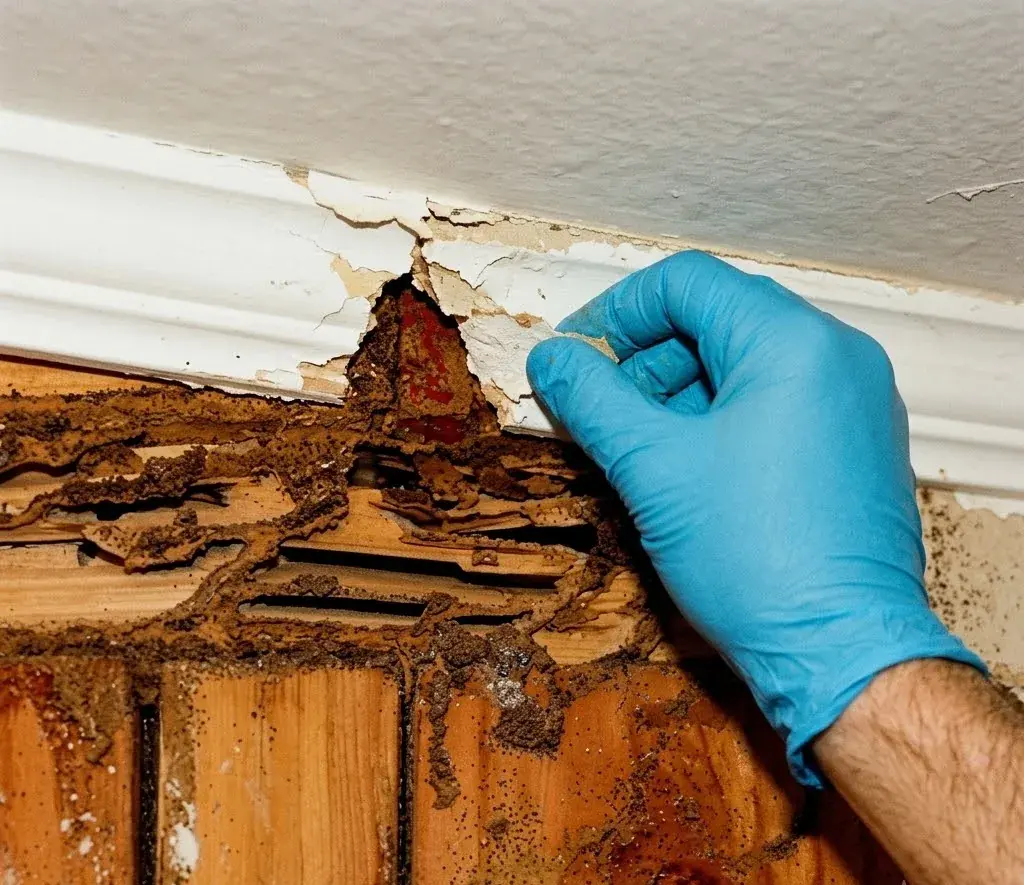
Subterranean termites don't just survive in coastal SC, they flourish. Here's the specific combination of conditions that makes the Lowcountry termite heaven.
Read articleSouth Carolina sits in one of the most termite-active zones in the country. If you own a home in the Conway area…
Read articleNobody can price termite control & inspections properly from a phone call in this market. Have somebody look, then decide. There is no charge for the looking.
Call (843) 896-1048