Mosquito Guide
When Is Tick and Mosquito Season in South Carolina?
In much of the country, biting season is a few months. On the Grand Strand, ticks and mosquitoes stay active far longer…
Read article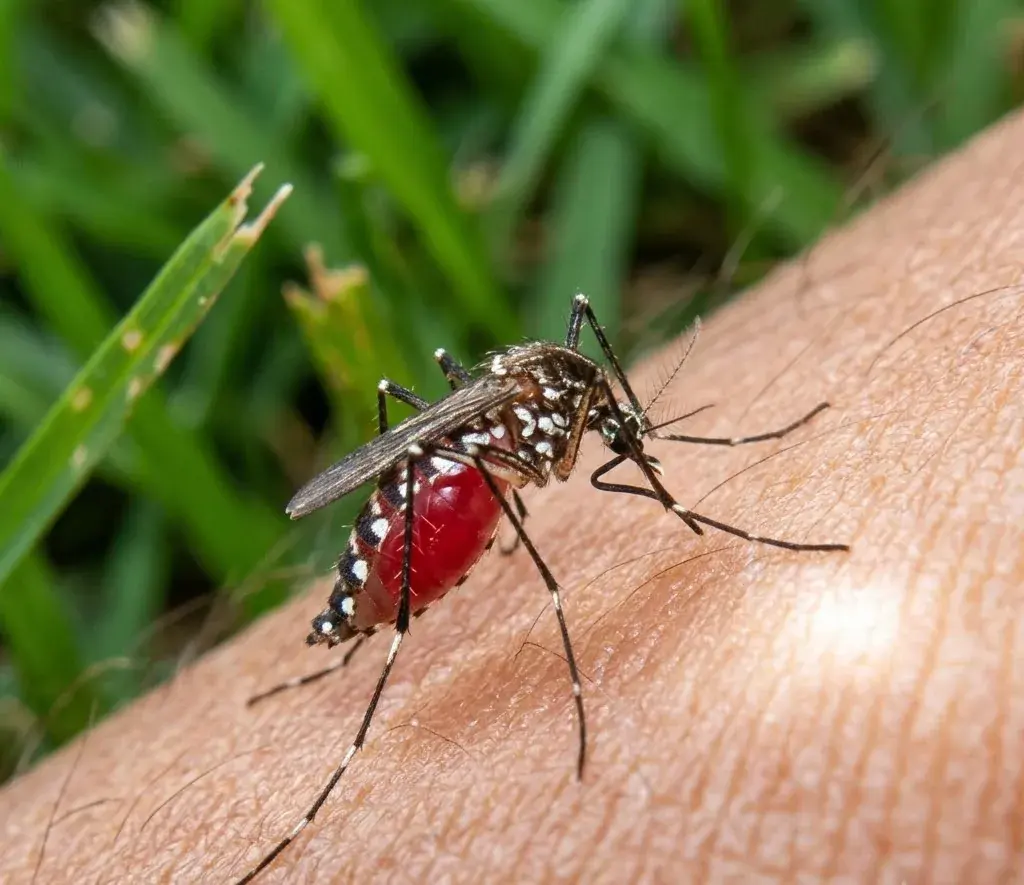
Take back your backyard from mosquitoes, no-see-ums, and ticks with targeted barrier and misting treatments.
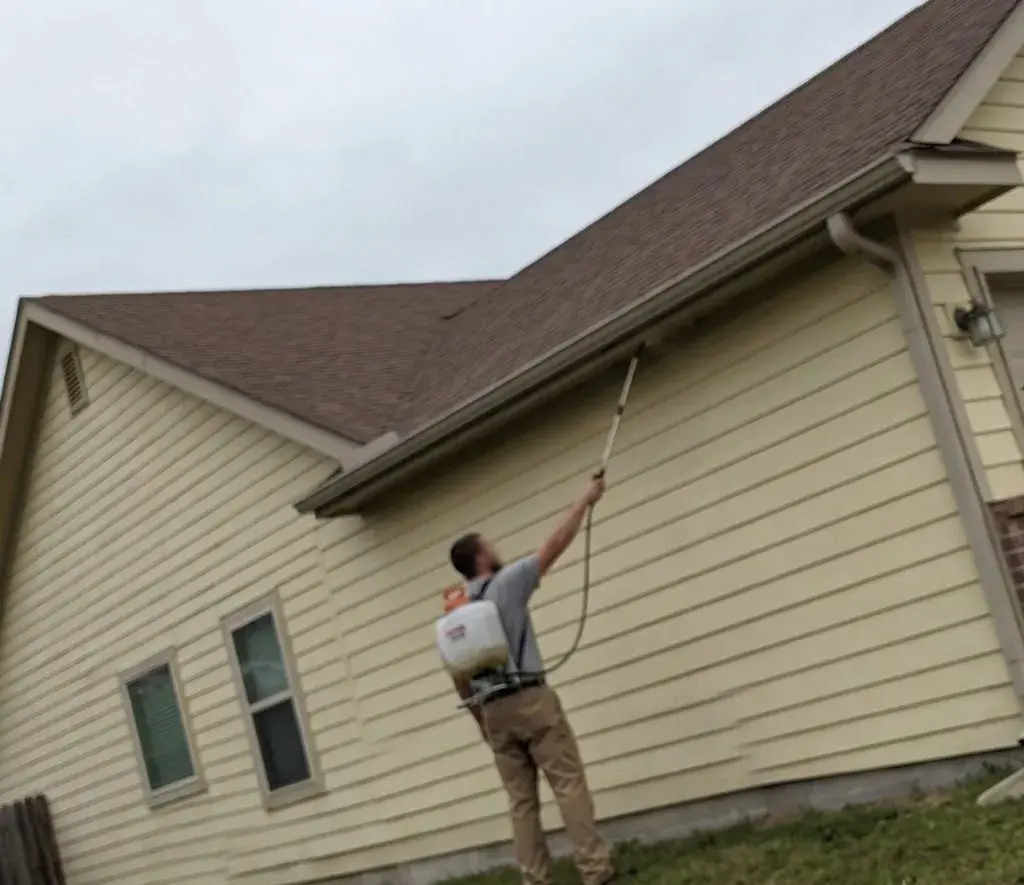
Few things chase you off a Conway porch faster than mosquitoes and no-see-ums, and along the coast they're relentless from spring well into fall. Warm, standing water and dense, humid vegetation give them endless breeding and resting habitat, whether you back up to the Waccamaw, a retention pond, or just have shady, damp landscaping. Our mosquito and tick program targets the shaded resting zones where the adults hide during the day and knocks down the breeding sites where the next generation is starting.
No-see-ums (biting sand gnats) are a special Lowcountry misery, small enough to slip through standard screens and vicious near the water. Along with mosquitoes and ticks, we treat for them with barrier applications and, for properties that want the strongest defense, automated misting systems. The goal is simple: make your yard usable again during the months you most want to be outside.
A mosquito exterminator visit should begin with the property, not with a promise to spray every square foot. Containers that hold water, clogged drainage, shaded foliage, the space under a deck, fence lines, and the transition from lawn to woods can each support a different part of the problem. Finding those places helps separate a breeding source that can be removed from an adult resting area that may need targeted mosquito treatment.
Conway yards also differ in how quickly biting pressure returns. Nearby water, dense plant cover, neighboring properties, rain, irrigation, and regular outdoor use can all affect whether a one-time visit or recurring mosquito control makes more sense. The licensed pros we connect you with explain which areas they propose to treat, what should be corrected first, how weather affects the visit, and what follow-up is included before the company starts work.
Whether you're in Pawleys Island, Georgetown, Litchfield Beach, or elsewhere around Conway, mosquito & tick control here has to account for humidity under the floor and a season that never fully closes. That is why the mosquitoes work holds up longer than a straight interior spray.
Most of this lands on private houses, and residential pest control walks through what a visit involves. Short-term rentals, shops and tenanted buildings sit under commercial pest control.
If stepping outside in the evening means instant bites, adult mosquitoes are resting in your landscaping and a barrier treatment can dramatically cut the population.
Tiny biting gnats that get through porch screens are a coastal signature. They breed in damp soil and mulch, and targeted treatment of those zones is what reduces them.
Finding ticks after the dog comes in, or brushing the wooded lawn edge, signals questing ticks along the transition zone that respond well to targeted treatment.
Repeated bites after wet weather can point to water-holding containers, low spots, dense ground cover, or other sheltered areas supporting the next cycle. A site check can separate a removable source from the resting zones that need treatment.
We locate breeding sites (standing water, gutters, low spots) and the shaded, humid zones where adults rest during the day.
We identify and help eliminate standing-water sources, the single most effective step for long-term mosquito reduction.
We treat resting vegetation, the lawn-to-woods edge, and harborage to knock down adults and reduce biting pressure fast.
Recurring seasonal visits keep pressure low; for the strongest defense we install automated misting systems timed to peak activity.
Mosquitoes here aren't just an itch, they're the vector for West Nile virus and EEE in active seasons, and no-see-ums and ticks carry their own risks. Reducing standing water and treating resting zones cuts the population that actually reaches your family, which is why source reduction plus barrier treatment beats a single fogging.
Mosquito treatments align with SC DHEC public-health guidance on mosquito-borne illness and use EPA-registered products applied by licensed technicians under Clemson Regulatory Services oversight.
Following EPA integrated pest management guidance, we prioritize eliminating standing-water breeding sites, the most effective and lowest-impact step, before and alongside any barrier application.
A plan should name the breeding sources, adult resting zones, yard edges, and other areas that support the problem instead of treating every Conway property as the same yard. The licensed pros we connect you with base the recommendation on the conditions they can inspect.
The company accepting the job should explain drying time, rain rules, areas to avoid during application, re-entry timing, the expected service period, and what follow-up is included. Those details belong in the plan before treatment begins.
This is the range mosquito & tick control tends to sit in locally. How far it has spread, and how easy the substructure is to get into, decide the rest.
| Level | Work involved | Guide range |
|---|---|---|
| Light | One place, found early enough to stay one place | an estimated $60–$145 |
| Usual | Full home visit with the perimeter and crawl space vents covered | an estimated $70–$210 |
| Heavier | A bigger footprint, an addition, or pressure in more than one place | an estimated $105–$335 |
| Well established | Left long enough that it takes repeat visits plus exclusion work | an estimated $165–$555 |
Dealt with early this stays near the bottom of the band; left through a warm wet summer it does not. The pricing guide shows by how much, and where damage cover stands.
A barrier program typically cuts yard mosquito activity dramatically, often enough to comfortably use the yard again. It won't eliminate every mosquito that flies in from a neighbor's lot, but it removes the population resting and breeding on your property.
Yes, though they're tougher than mosquitoes because they're smaller and breed in damp soil and mulch. We target those breeding zones and resting areas; along the coast, recurring treatment through the season gives the best results.
Most yards do best with recurring treatments every few weeks through the warm season, since new adults constantly move in. Misting systems handle this automatically with scheduled cycles.
Yes. We use EPA-registered products applied to vegetation and resting zones, not play areas, with a short dry-time window. We'll walk you through re-entry timing.
It's an automated network of nozzles around your yard's perimeter that releases a fine mist on a schedule or on demand. For properties with heavy pressure, near water, or with frequent outdoor use, it's the strongest hands-off option.
Recurring barrier treatments typically run an estimated $69 to $139 per visit depending on yard size. Misting systems are quoted separately after a site visit. We confirm pricing before starting.
The useful targets are the places mosquitoes breed or rest: removable standing water, shaded foliage, damp protected areas, the space under decks, and edges where lawn meets woods or heavy growth. The exact treatment area depends on what the inspection finds, and it should avoid turning the whole yard into one undirected spray zone.
Usually not. One visit can reduce the adults resting on the property at that time, but rain, new standing water, hatching insects, and mosquitoes moving in from nearby land can rebuild pressure. A company should explain whether the goal is a one-time reduction for an event or recurring control through the active months.
They can be planned together, but the target zones are not identical. Mosquito work focuses heavily on shaded resting areas and breeding sources, while tick work concentrates on yard edges, leaf litter, pet routes, and transitions into taller growth. The treatment plan should identify both rather than assume one application covers every biting pest.
That depends on the product, how long it needs to dry, and the expected weather. The company performing the work should give you its weather rule before the visit and explain whether a postponed appointment or follow-up is included if conditions prevent the treatment from being applied as planned.
Most homeowners pay an estimated $69–$139 per treatment for mosquito & tick control here. Because winters are mild and there is no real off-season, activity that has been running for months costs more to knock down than something caught in week one. We put the figure in writing after the free inspection, never over the phone as a firm price.
Written up in more detail, for anyone who wants the whole picture before booking.
In much of the country, biting season is a few months. On the Grand Strand, ticks and mosquitoes stay active far longer…
Read articleBetween the mosquitoes and the no-see-ums, a coastal backyard can feel unusable at dusk. Here's what actually reduces the biting pressure around…
Read article
Ticks in the Lowcountry carry real health risks for kids and pets. Here are practical, family-focused ways to reduce ticks in and…
Read articleTell us what you have seen and roughly where. You get an honest read on whether this needs mosquito & tick control at all, and a figure in writing if it does.
Call (843) 896-1048