In the Conway area, where so many homes sit over crawl spaces, that dark space beneath the floor is where a huge share of rodent problems start. It's sheltered, often damp, and full of entry points, exactly what rats and mice want. Here's how to keep them out for good.
Seal the entry points first
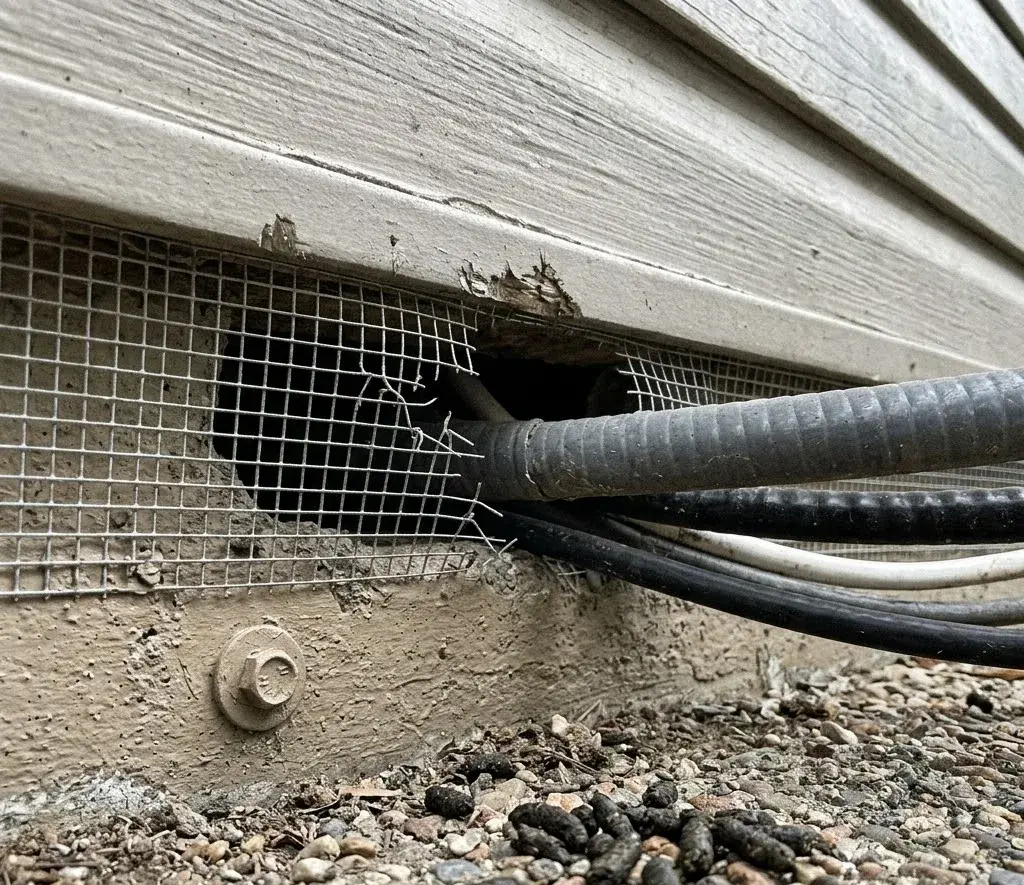
Exclusion is the foundation of rodent control. Walk the crawl-space perimeter and seal every gap with durable, rodent-proof materials, around utility penetrations, vents, and where the foundation meets the framing. A mouse fits through a dime-sized hole and a rat through a quarter-sized one, so the openings are often smaller than you'd expect.
Screen the vents
Crawl-space vents are a classic entry point, especially when their screens rust out or get damaged. Replacing or backing them with sturdy hardware cloth keeps rodents out while still allowing designed airflow (or seal them entirely if the crawl space is being encapsulated).
Control the moisture
A damp crawl space is doubly attractive: it draws rodents directly and supports the insects they feed on. Correcting drainage, adding a vapor barrier, and addressing standing water make the space far less appealing, and protect your subfloor from decay at the same time.
Cut off the roof-rat route
On the coast, roof rats often reach the home from above, but they'll also exploit the crawl space. Trim tree limbs back from the roof, since the same colony working your attic can nest below. Addressing both the crawl space and the roofline gives rodents nowhere easy to settle.
Remove what's already there, then monitor
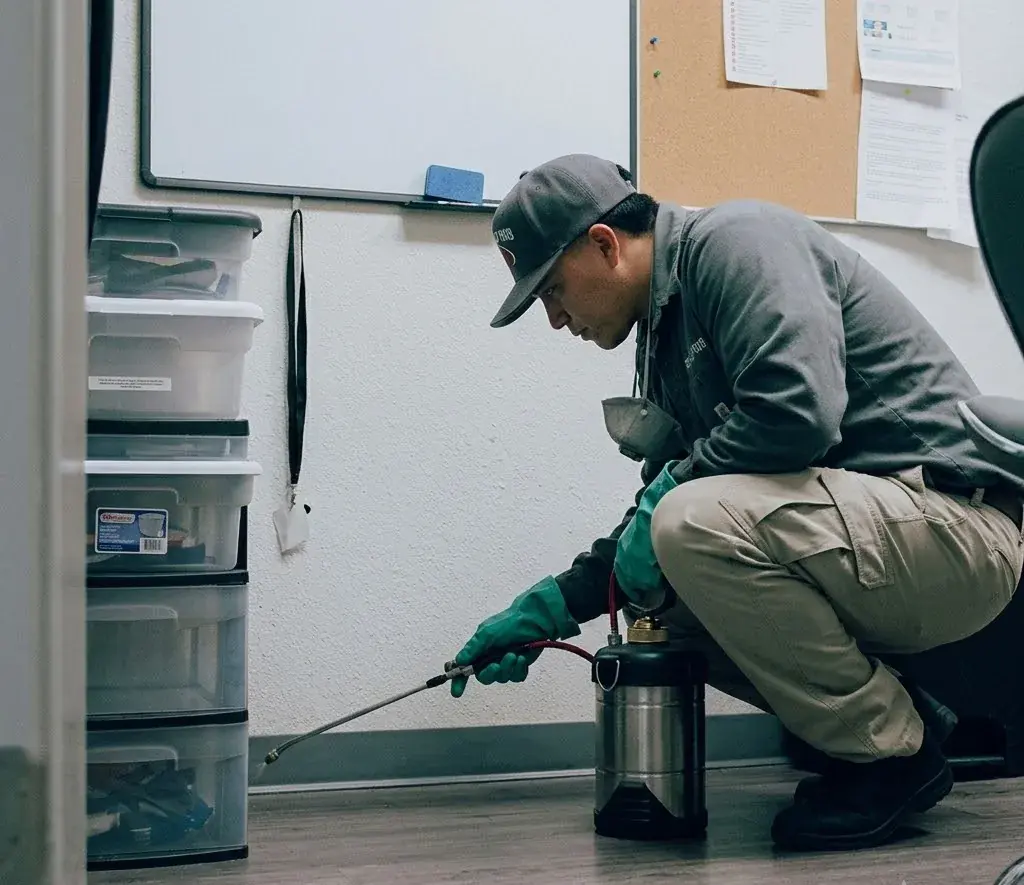
Sealing alone won't remove rodents already inside, so exclusion is paired with targeted removal, then monitoring to confirm the space stays clear. Nesting material and droppings should be cleaned up safely, since they carry health risks and attract more rodents. Conway SC Pest Control handles crawl-space exclusion, removal, and cleanup as one job, so the fix actually lasts.
Rodent-Proofing a Crawl Space, Step by Step
Rodent-proofing a crawl space goes faster when it follows a fixed order. Start outside at ground level and walk the whole foundation with a flashlight, marking every gap around pipes, cables, dryer and air conditioner lines and the place where framing meets the wall. Then do the same from inside, because some openings only show from underneath.
Close the biggest openings first, using materials a rodent cannot chew through, and check the access hatch last, since a loose or warped hatch is a door left open all season. Replace damaged vent screens with sturdy mesh, pull soil, mulch and stored boxes away from the wall, and look again after a week for fresh droppings or shredded material, which show that a gap was missed. Done in this order, the job also tells the owner exactly where the rodents were getting in.
Getting Rid of Mice Already in the Crawl Space
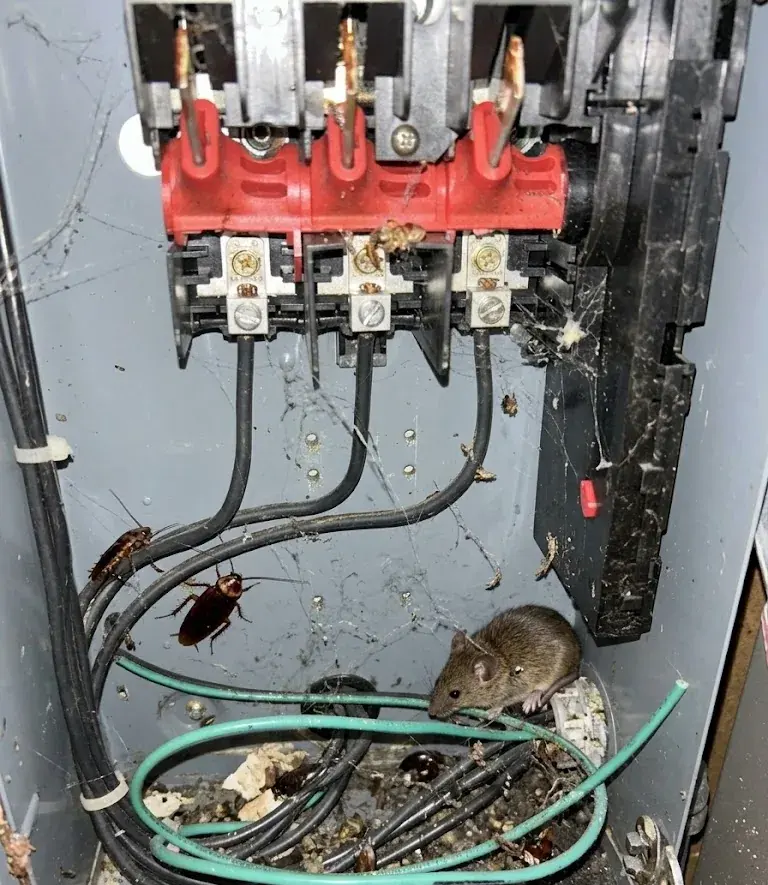
Getting rid of mice that are already in the crawl space means removing them and closing their way in, at the same time or in that order. Sealing first with mice still inside leaves them stuck under the floor, where they gnaw new routes, so the plan has to cover removal as well as the gaps.
Traps and monitoring stations placed along the walls where droppings appear show how many are left, and clearing out nests and droppings takes care, since both can carry disease. For a crawl space that has had mice for a season or longer, rodent exclusion and control in Conway handles the removal, the sealing and the follow-up together, which is what keeps the next group out.
Dealing with this in your home?
We offer free inspections and honest recommendations across Conway and the surrounding towns. Call (843) 896-1048 and we’ll help you sort it out.