Warehouses & Distribution
Scale changes the method
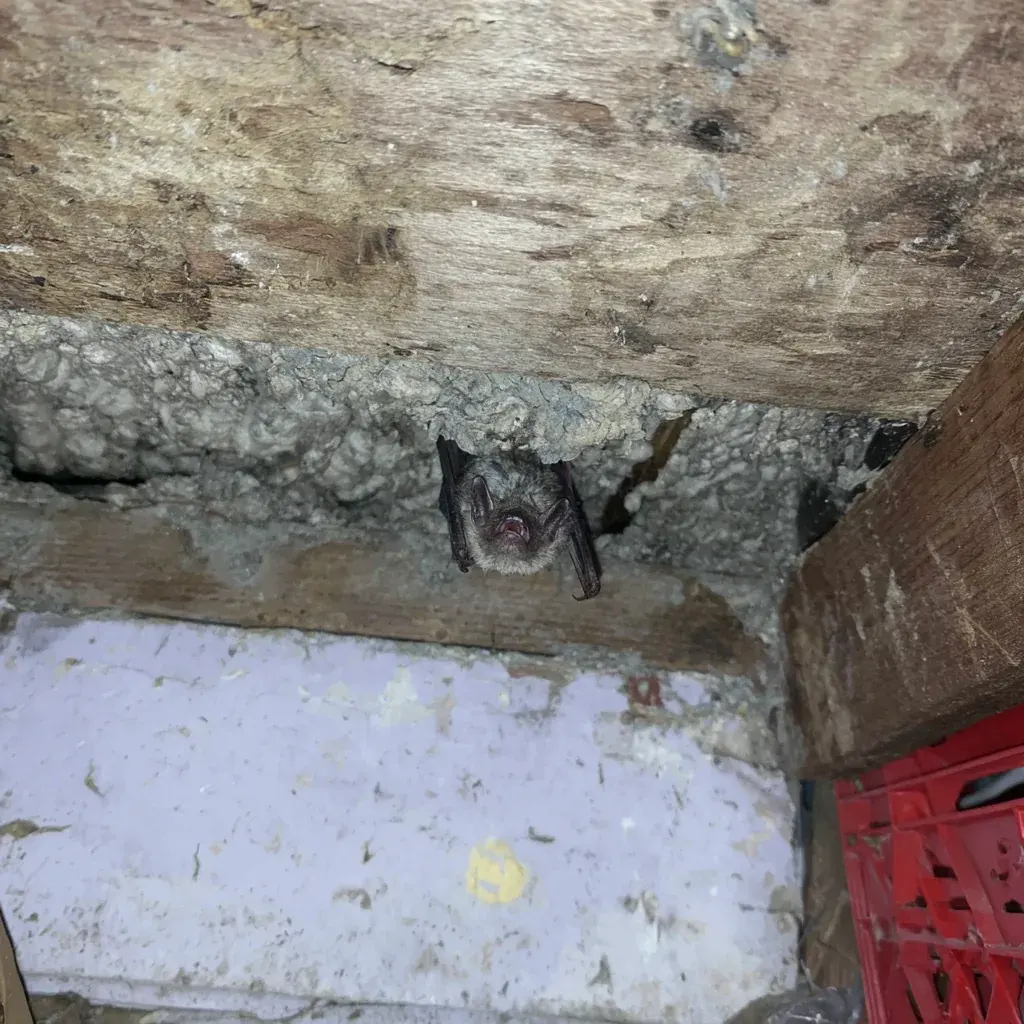
The damaged case is the small loss. The shopper who noticed is the large one.
Retail loses twice. Once on the stock, which is countable, and once on the customer who watched something move under a bottom shelf and told everybody except you. Most of it starts in the back: pallets off a truck, cardboard holding humidity, dry goods that arrived with insects already inside, and a stockroom nobody has put a light behind in a year.
Gnawed packaging and webbed dry goods are the part that shows up in a stock check, and they are the smaller number. The larger one is a shopper who spent ten seconds watching something cross an aisle and then did nothing you can see. They do not raise it at the register. They mention it in the car, they photograph it, and two weeks later it appears in a review that sits there for years. On a coast where a good share of grocery and beach shop traffic is visitors deciding on a phone, that is not a soft cost.
That reverses the usual priority order. In a warehouse the goods are what you are protecting. In a store you are protecting a customer's complete lack of interest in any of this, which means the work happens in the back, out of trading hours where it needs to, and monitors sit behind fixtures rather than at the end of an aisle where somebody can look down at one.
Staff need one instruction and one place to write it. An assistant who sees a mouse should be recording the time, the aisle and the direction it went, then handing that to a named person. What they should not be doing is discussing it on the floor with a queue listening. Two dated entries a week apart describe a run through the building. The best recollection of roughly when it happened describes nothing.
A grocery manager in Conway can pull a shrink report faster than one out toward Litchfield Beach, where seasonal turnover buries the pattern under vacation-crowd noise. Stores feeding the Front Street historic district and Winyah Bay day-trip traffic see the same spike every rental changeover, while a Conway location runs steadier, which makes a stray gnaw mark or a torn bag stand out sooner to whoever the licensed pros we connect you with eventually walk the aisles with.
Indianmeal moths, sawtoothed grain beetles, cigarette beetles and their relatives do not break into a store. They are already in the birdseed, the pet food, the flour, the rice, the dried fruit, the nuts and the pancake mix when it comes off the truck, usually as eggs or larvae rather than as anything flying. This is how a clean store with a tight perimeter still develops a moth population in one aisle and nowhere else.
The tells are worth teaching to whoever faces up the shelves, because they show weeks before an adult flies past somebody's head. Fine webbing along a case seam or in the folds at the top of a bag. A grain of something loose in the bottom slot. A bag that feels dusty at the corner. Small holes punched through film. A pheromone monitor near the slow moving lines turns all of that into a number that rises before anybody sees an insect, which is the only version of this problem that stays cheap.
Rotation is the control that actually works. Dating stock, moving the back of the slot to the front, opening bulk product into sealed hard containers rather than leaving it in the bag it arrived in, and pulling damaged stock the hour somebody finds it. A bag sitting in a bottom slot through a Grand Strand summer has had long enough to raise a generation, and no treatment reaches inside packaging you are still planning to sell.
Conway's grocery and convenience stores draw the same supply trucks that stock shelves out toward Aynor via US-501 and down to Garden City along US-17, so infested pallets are never a one-store problem. The licensed pros we connect you with know that a delivery flagged in downtown Aynor this week can surface behind a Conway checkout counter next, and they inspect incoming stock at the door rather than waiting for it to turn up in a bottom slot.
Corrugated cases are the best harborage in a retail building and they arrive free with every delivery. The flutes hold warmth, the layers hold moisture, and a stack against a wall is dark and undisturbed. Coastal humidity makes it worse than it would be inland, because the board stays soft and damp for weeks instead of drying out, and a soft box is easier to nest in and easier to chew.
Retail generates it in surges rather than steadily. A seasonal order lands the week before a promotion, goes straight to the back because the floor has nowhere for it, and leans against a wall from one holiday to the next without a light ever going behind it. Break it down months later and there is a nest in the core of it that has been feeding somewhere else on the premises all along.
The delivery itself deserves two minutes. Look at the underside and the corner blocks of a pallet before it crosses the threshold, check case seams on bagged goods, and turn away or isolate anything with droppings or gnawing on the packaging. Then break cases down as they empty and get the board out of the building the same day, because a bale of flattened cardboard stacked by the back door is the same harborage in a different shape and it is now sitting next to your only rodent proofed threshold.
A store's rodent population is almost never on the sales floor. It is behind the stockroom shelving, inside the overstock, under a pallet block, in the void behind a base cabinet, or in the space above a suspended ceiling in the office corridor. It comes out onto the floor to feed and travels the base plate of the gondolas, which is precisely why the sighting happens in aisle six and the nest is fifty feet away through a swing door.
Getting the back right is mostly carpentry and housekeeping. Stock up on open steel or wire shelving with a hand's width of clear space behind it so a flashlight can get in. An aisle kept clear along the wall so the perimeter is visible. A hard sweep on the receiving door, checked twice a year because pallet trucks grind it down fast on a concrete threshold. Bagged trash out of the stockroom before the doors are locked. Pallet blocks broken apart from time to time for no reason other than that somebody needs to see the middle.
Outside the back door counts as part of the store. Many Conway and Myrtle Beach units sit in plazas with a shared service road, a compactor pad and a drainage ditch running behind the line of buildings. That ditch is a highway, and after a heavy storm it pushes what lives in it toward the nearest dry building. Keep the bin off the wall, the pad washed, the bales off the ground and the vegetation cut back along the base of the wall, and find out in writing whether the shared area is the landlord's contract or yours, because in a plaza it frequently is theirs.
Split the work in two when the contract starts. Monitor reading, a stockroom walk, a look along the receiving threshold and a check behind back of house shelving all happen during quiet trading hours without a customer noticing. Moving a fixture, treating drains behind a deli counter, opening a base or getting above a ceiling belongs to a closed store, and it should be booked as its own slot rather than squeezed into a routine call.
Grocery narrows the window further than a clothing store does. Overnight stockers, a bakery starting early and a cleaning crew mean the building is rarely empty, and if you handle food you are a permitted retail food establishment under Regulation 61-25 in the same way a restaurant is, inspected by SCDA on the same graded basis. That makes a deli, a bakery, a produce prep area and the floor drains behind them the part of the store where evidence costs you the most, so they get the tightest routine and the visit reports get filed where a manager can produce them.
On price, a store gets priced off the size of the trading area, the amount of back of house behind it, how much fixed food equipment and drainage is involved, and the attendance interval. A guide band is fair in the first conversation and a real figure comes after the stockroom and the rear yard have been walked. Nothing gets applied to a trading floor with shoppers on it, and stock near anything treated is moved or covered beforehand.
Premises like these are served across Conway and out to Loris, Longs and Murrells Inlet. The first walkthrough happens at whichever location is giving you trouble.
On this sort of site the figure normally sits between an estimated $89 and $249 per visit, driven by size, how frequently we come out, and what has to be logged for an inspector. A walkthrough costs nothing, and nothing gets agreed until the scope is in writing. Every band sits on the pricing guide, and the commercial overview sets out how the visits are organized.
Scale changes the method
The stack, not the door
People before products
Take the detail while they are still standing there: the time, the aisle, the fixture, which way it went. That is more useful than anything else you will collect this month, because it describes a route rather than a room. Thank them, keep it brief, and take the conversation off the floor. Then have the back of house examined instead of the place they pointed at, because an aisle is a travel route and the stockroom is an address.
Because they came in with the stock on that aisle rather than through the building. Birdseed, pet food, flour, rice, dried fruit and nuts all travel with eggs or larvae inside the packaging, so the population is sitting in product you are still trying to sell. Pull and inspect the slow moving lines, bin what is webbed, get opened bulk into sealed containers, tighten dating and rotation, and put a pheromone monitor near those shelves so the next rise shows as a number instead of as a moth.
Often not, and it is worth establishing in writing before you need to. The compactor pad, the service road, the ditch line and the shared rear corridor are frequently covered by the landlord's own contract, which may already be paying for work you are about to buy twice. Ask the managing agent what is covered and how often, request that the shared areas be attended in the same window as your unit, and keep the reply. Meanwhile treat your own threshold and stockroom as yours, because pressure will come across the boundary regardless.
If you handle food, work on the basis that somebody will ask for the file one day, and keep one that helps you when they do. Dated reports showing what was found and what followed it, the staff sighting sheet, a sketch marking every device, the paperwork for anything applied, and an open list of structural repairs that have been advised. People leave that last item out, which is a mistake, because an advisory you acted on is the clearest evidence there is that a program is real.
If stock is being opened up, silk has appeared among the pet food, or a cashier has just been told about a mouse, spend the next hour behind the shelving and along the receiving threshold instead of in the aisle it was seen in. Ring us and we will match you with licensed local pros who cover retail and grocery on the Grand Strand, work around your trading hours, and separate a one off clear out from the ongoing visits.
Call (843) 896-1048